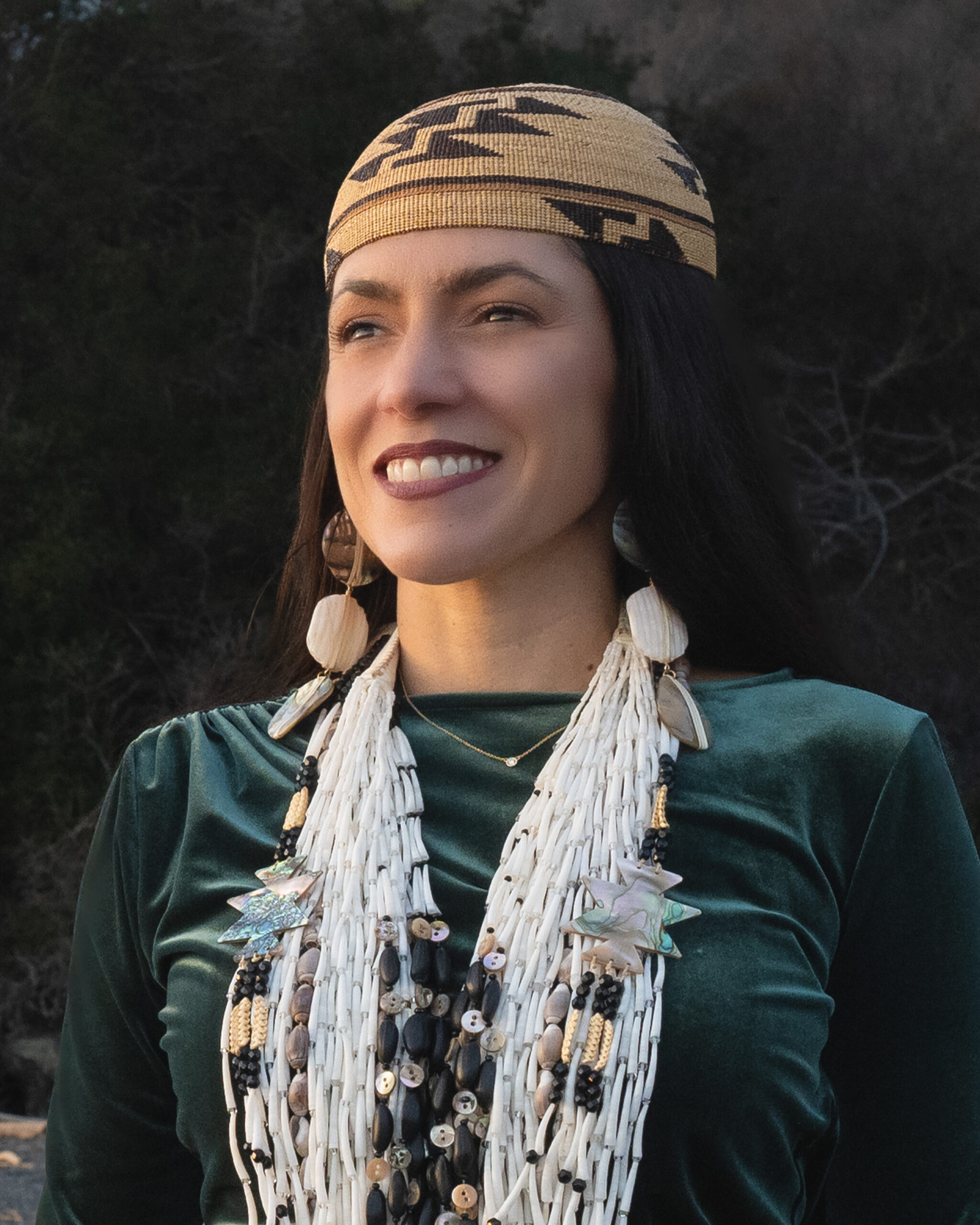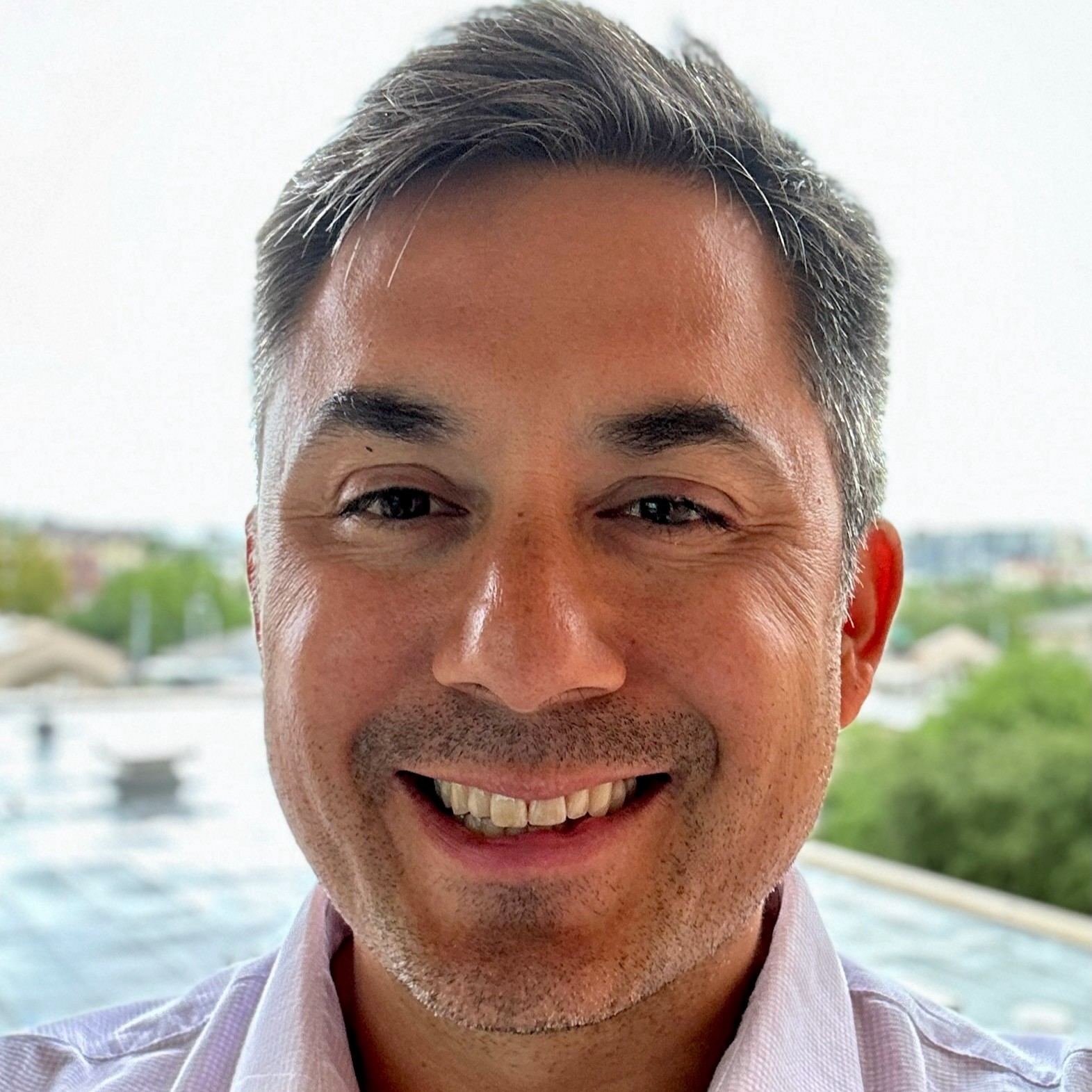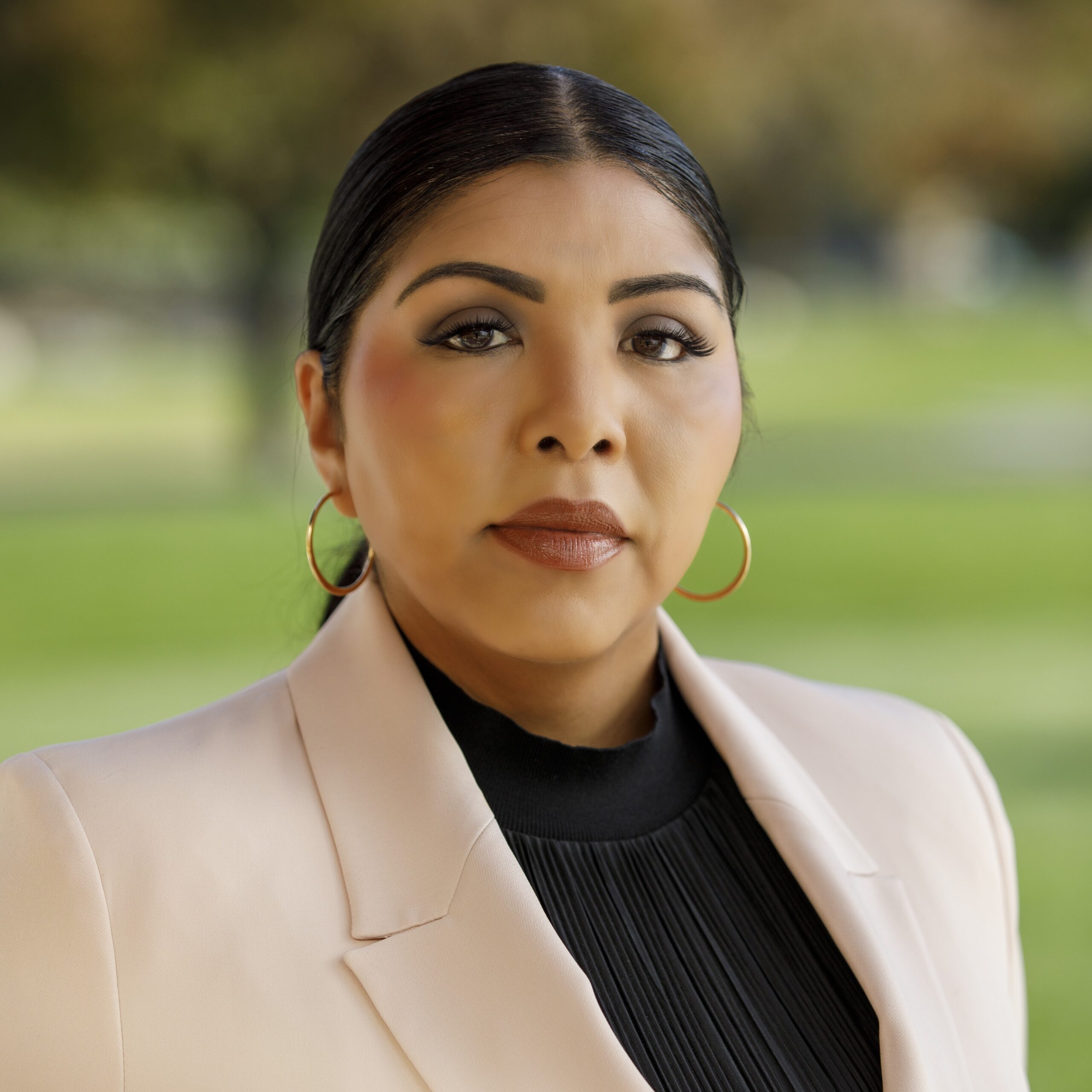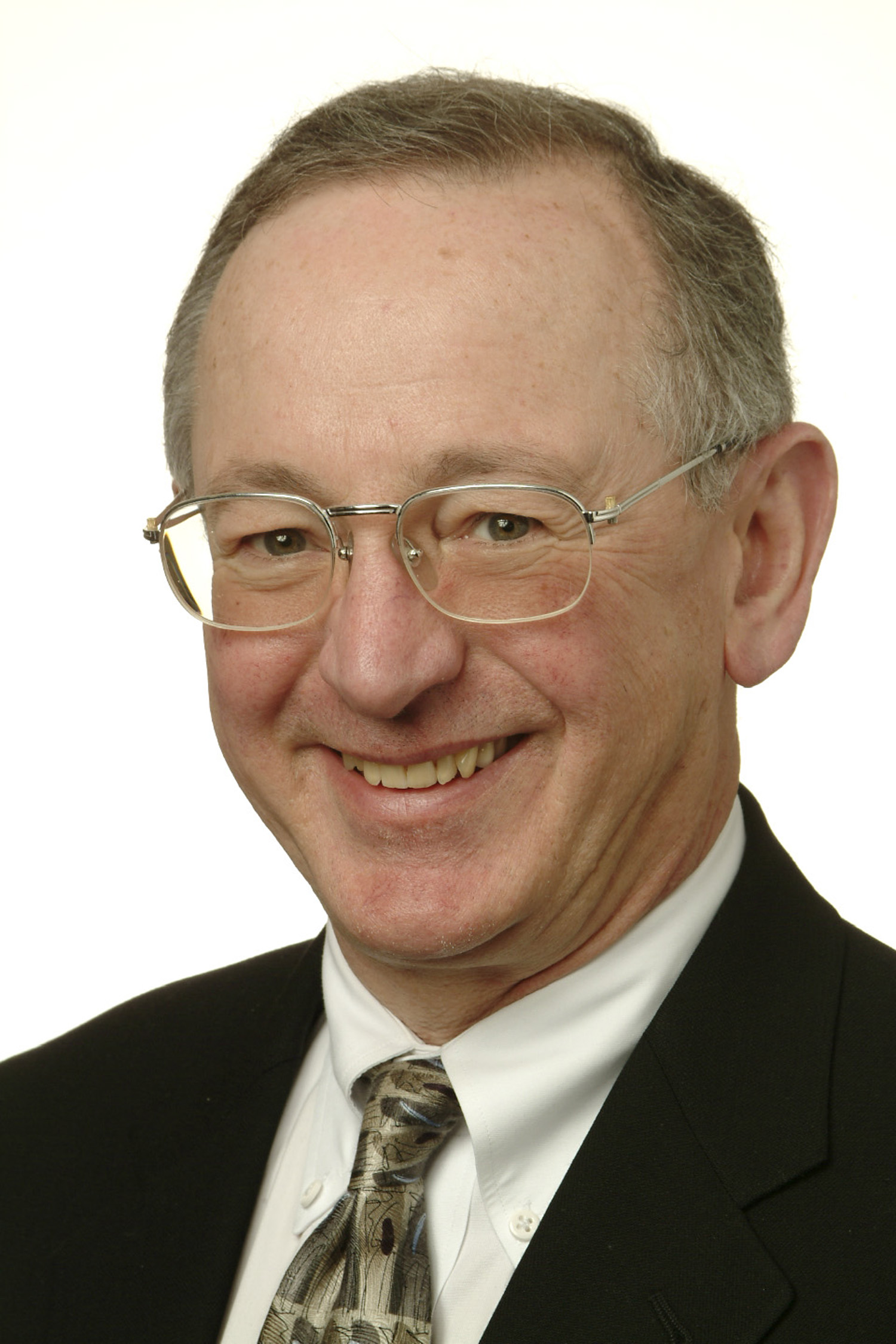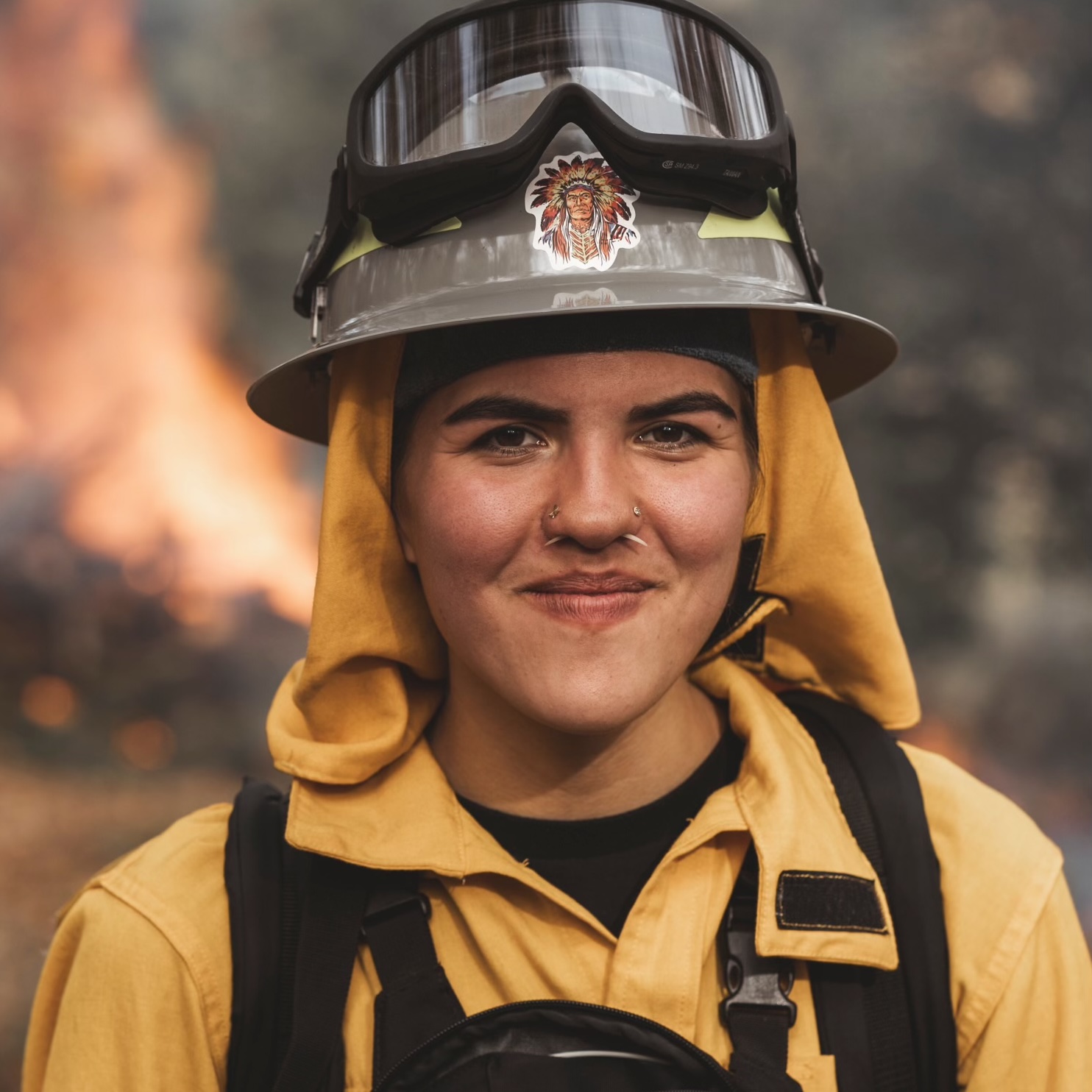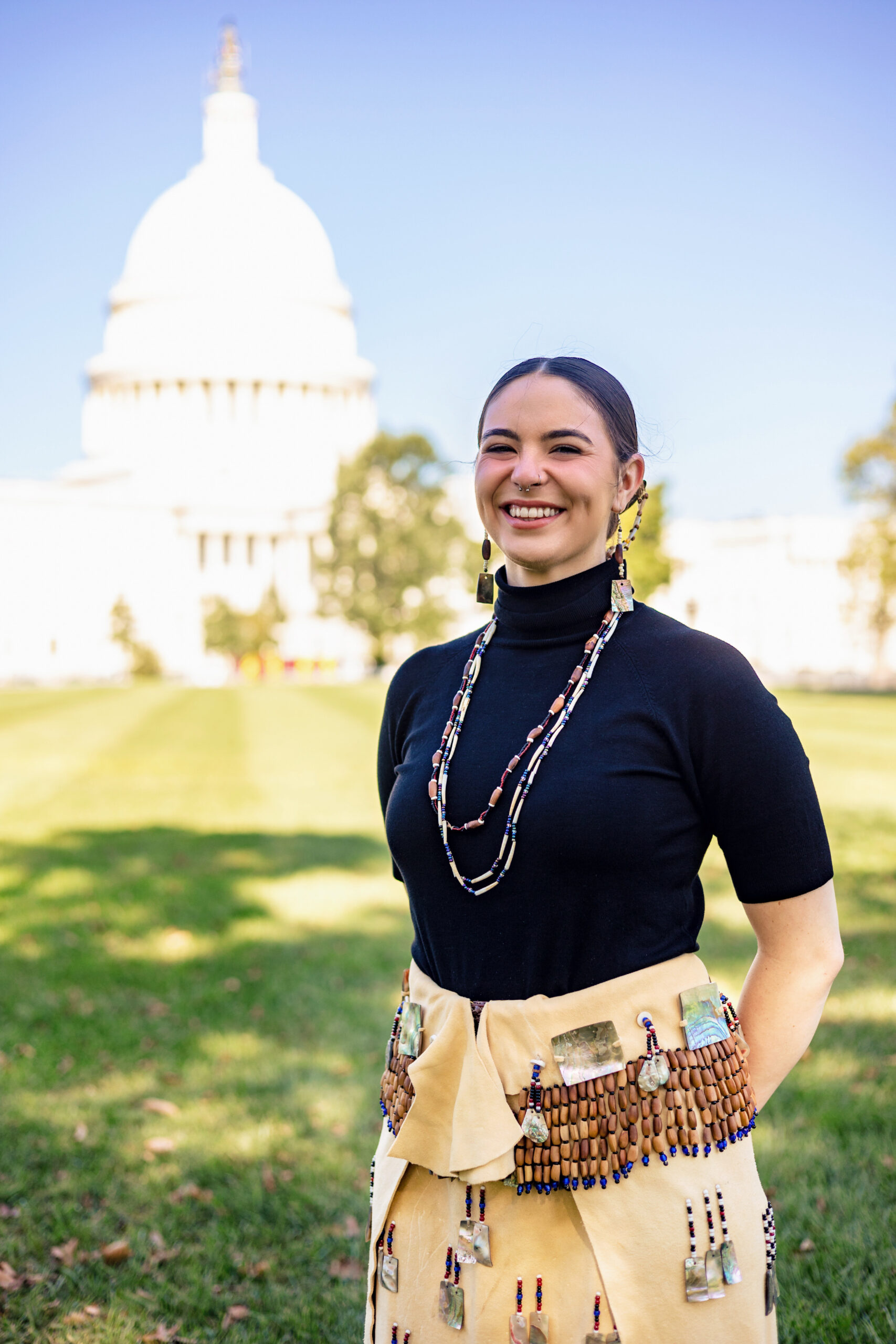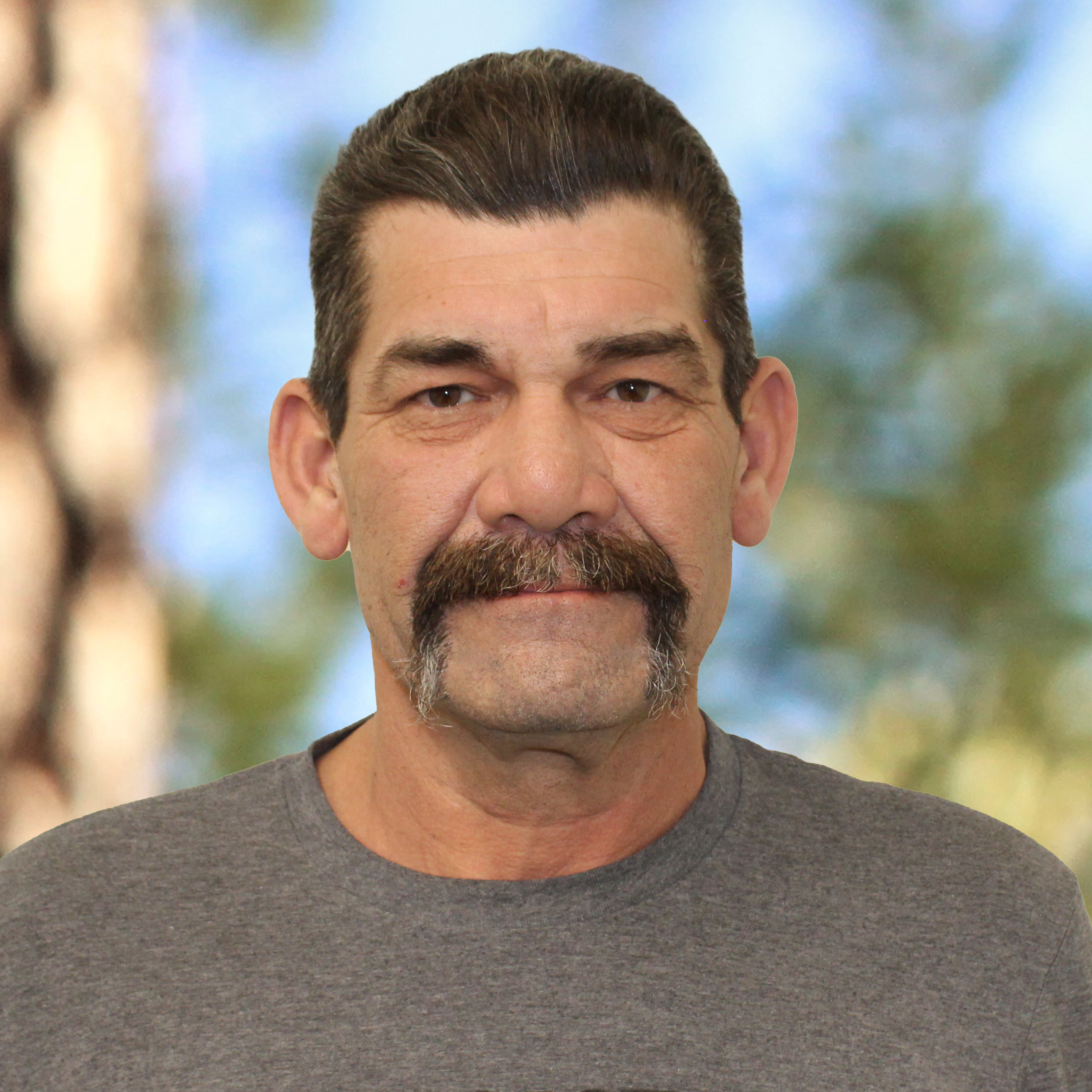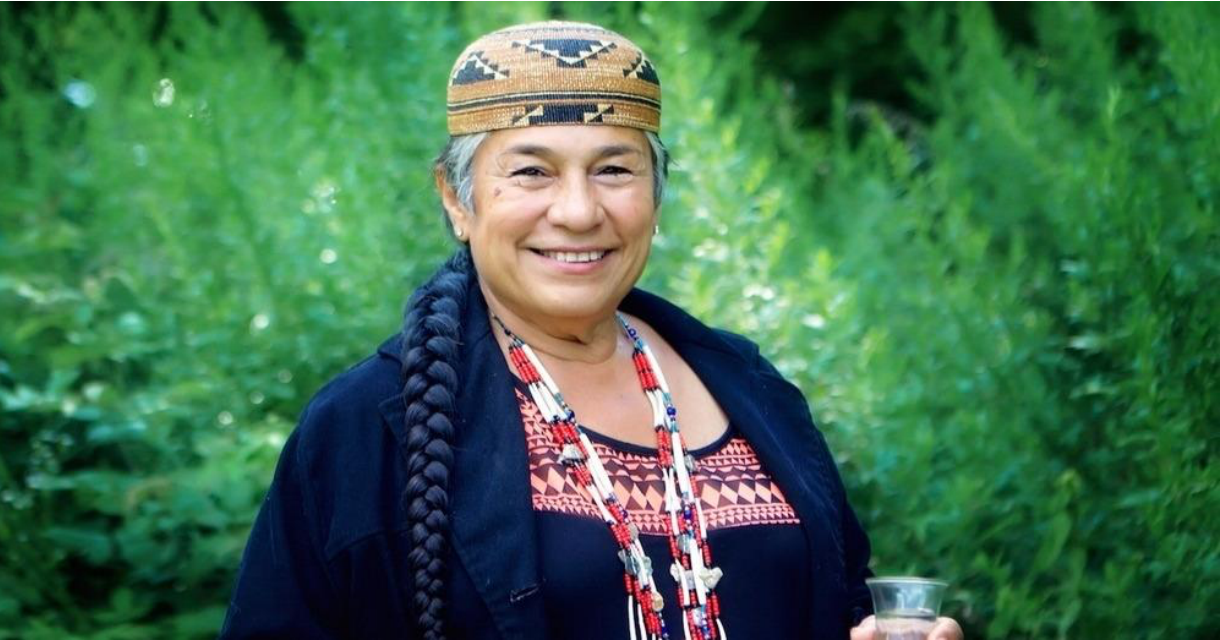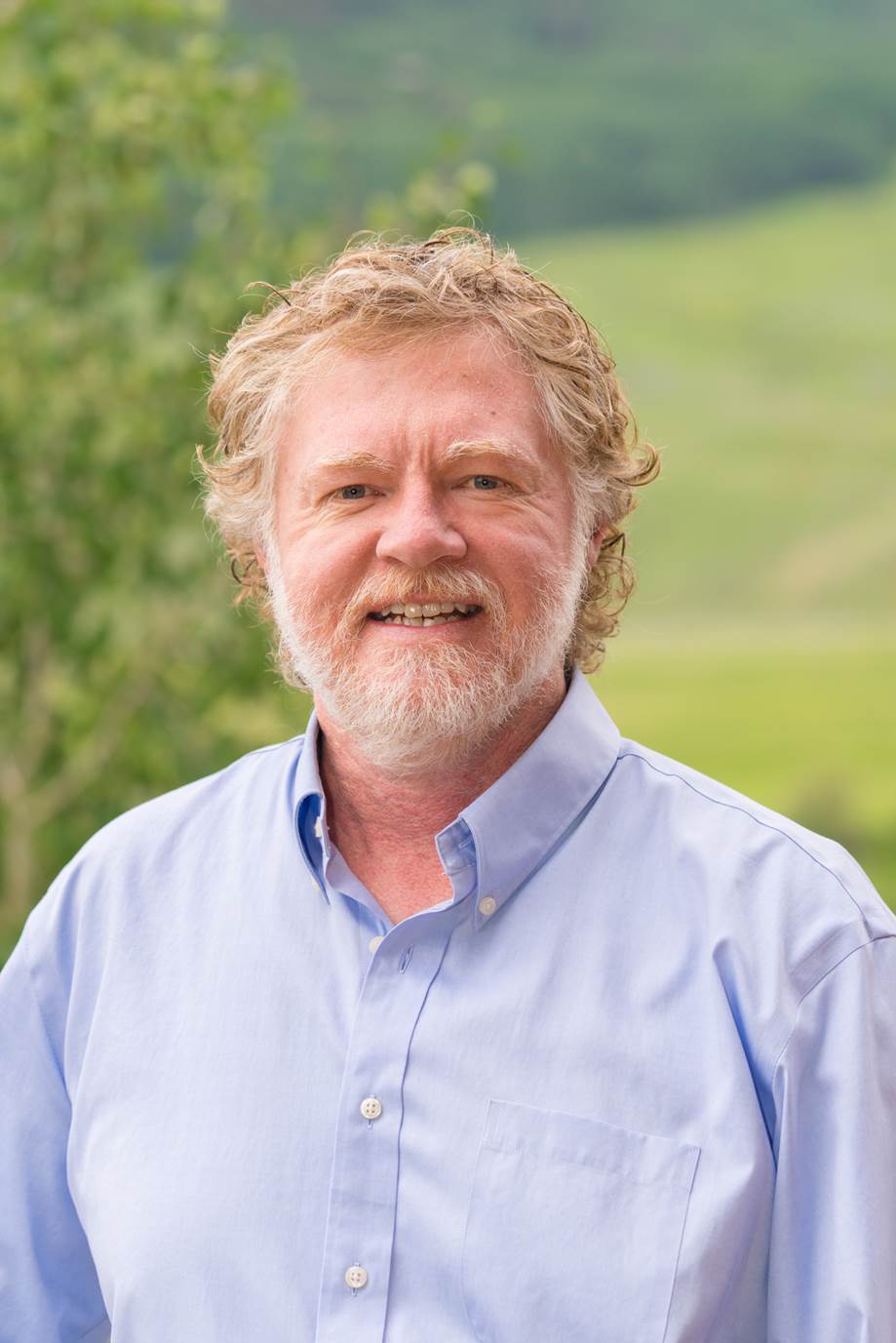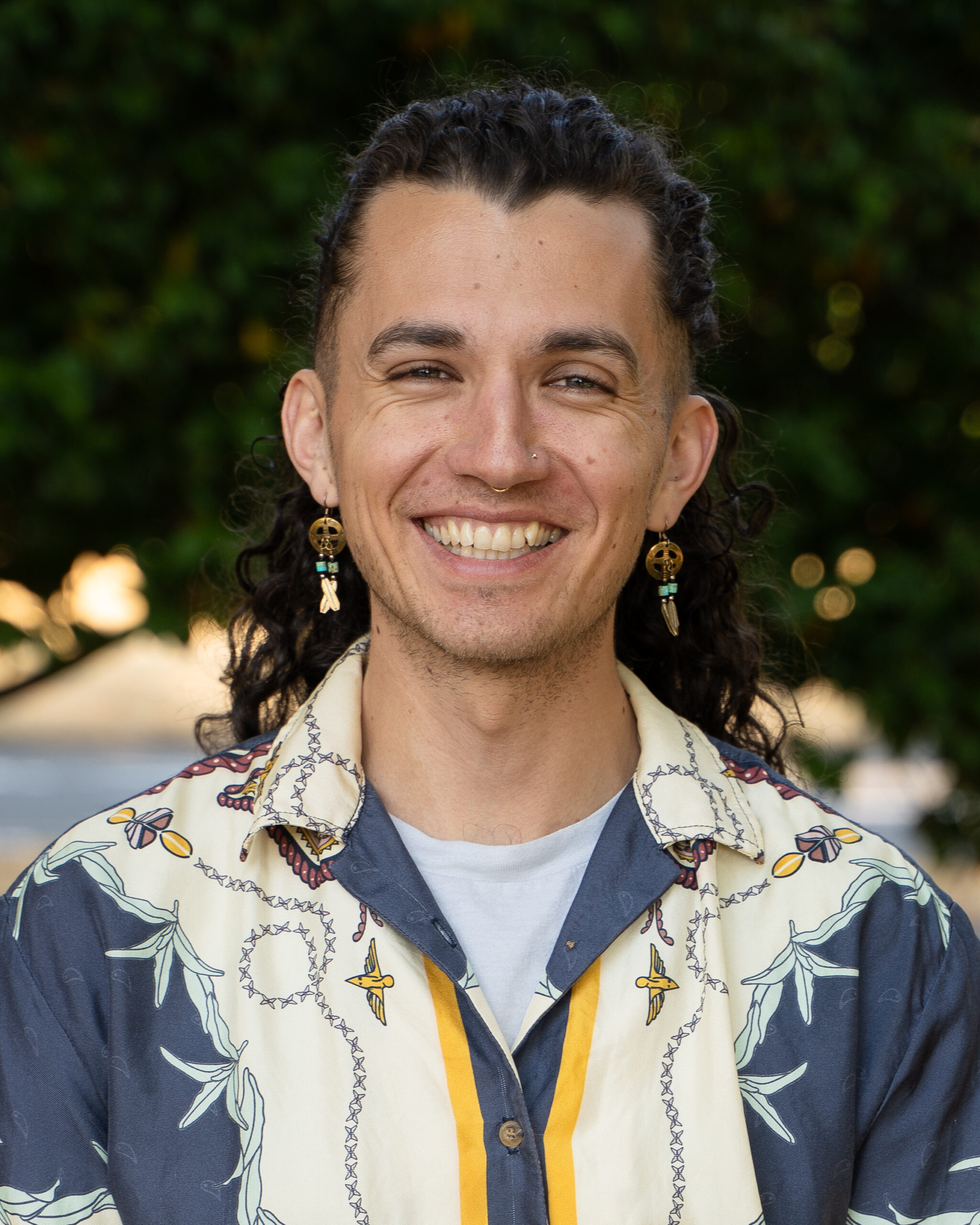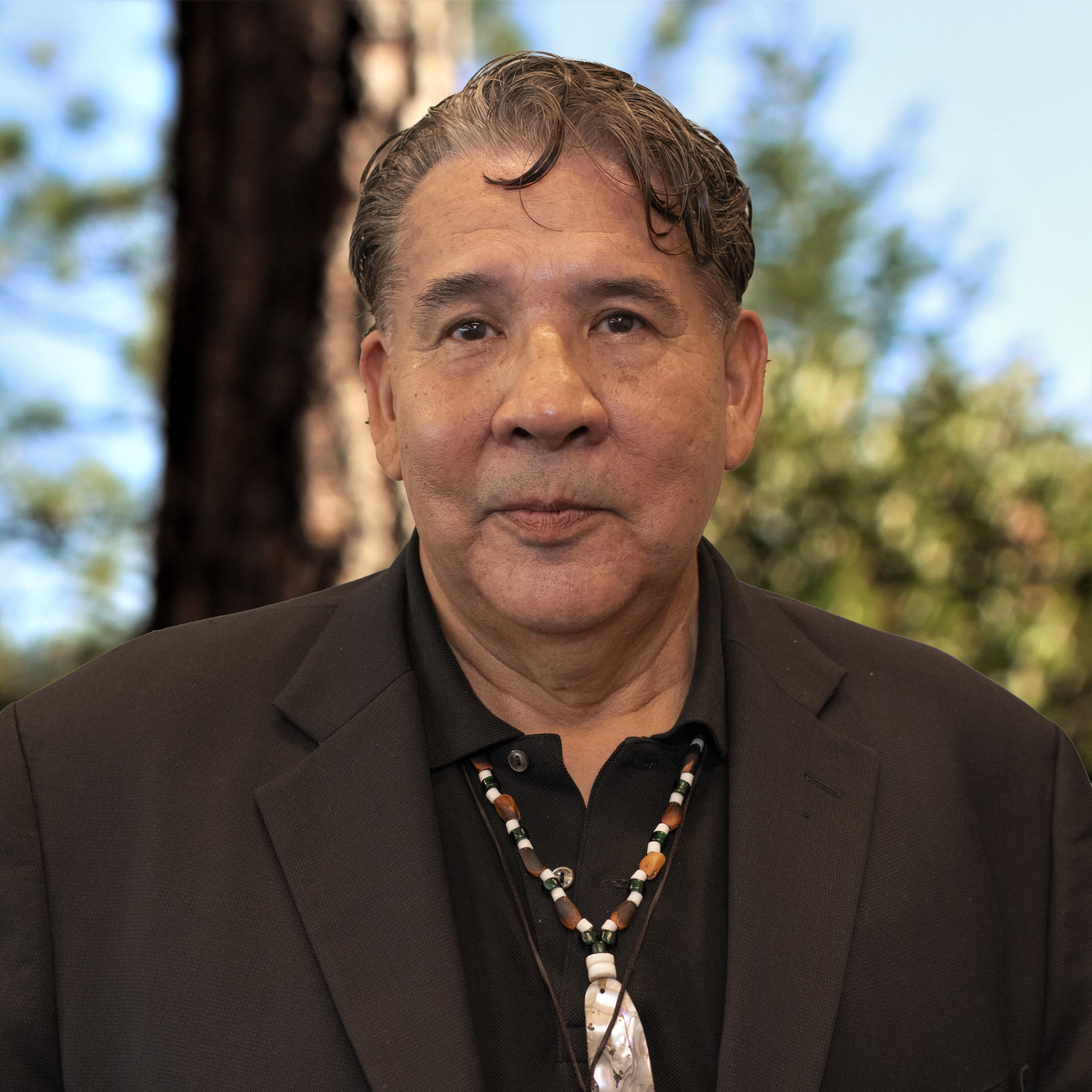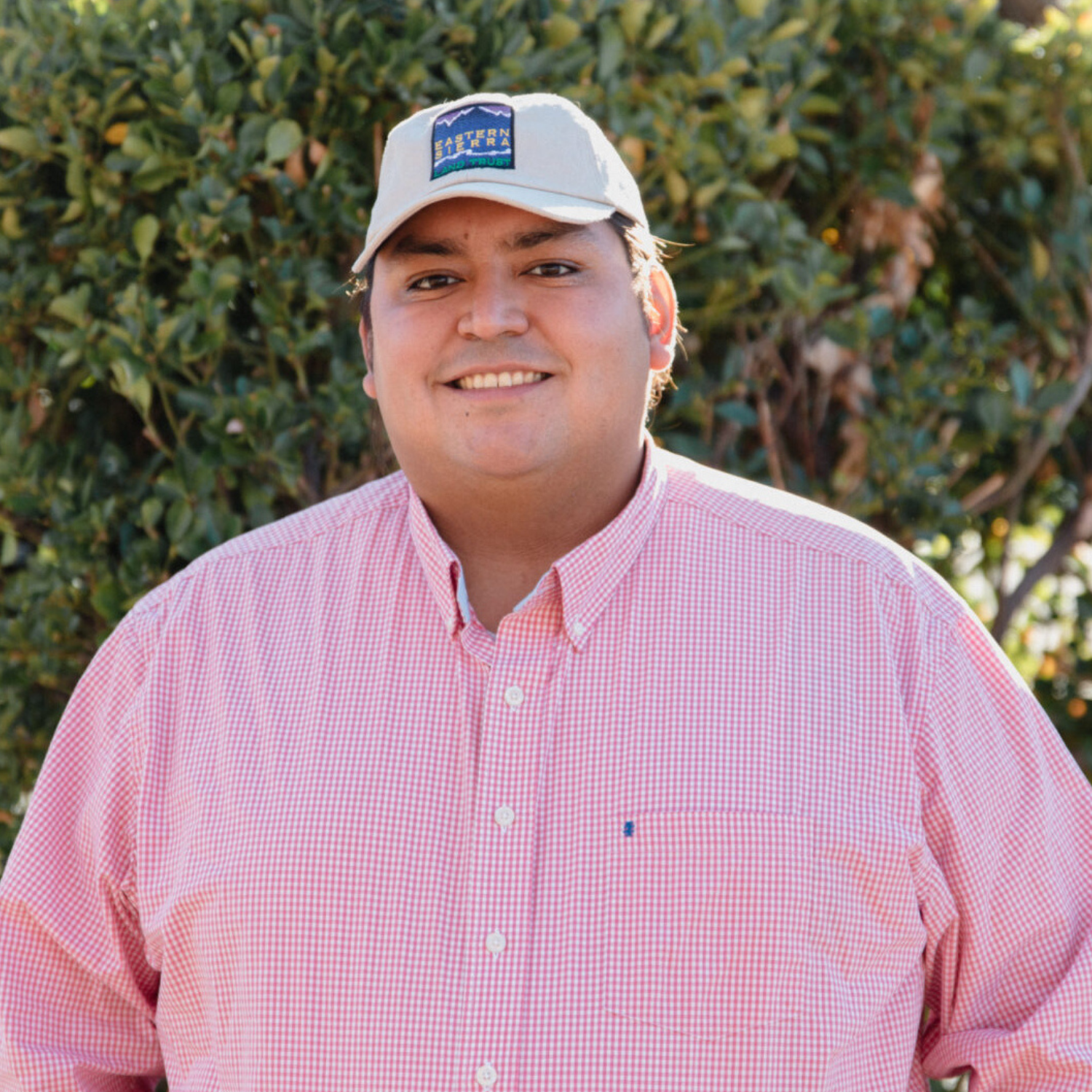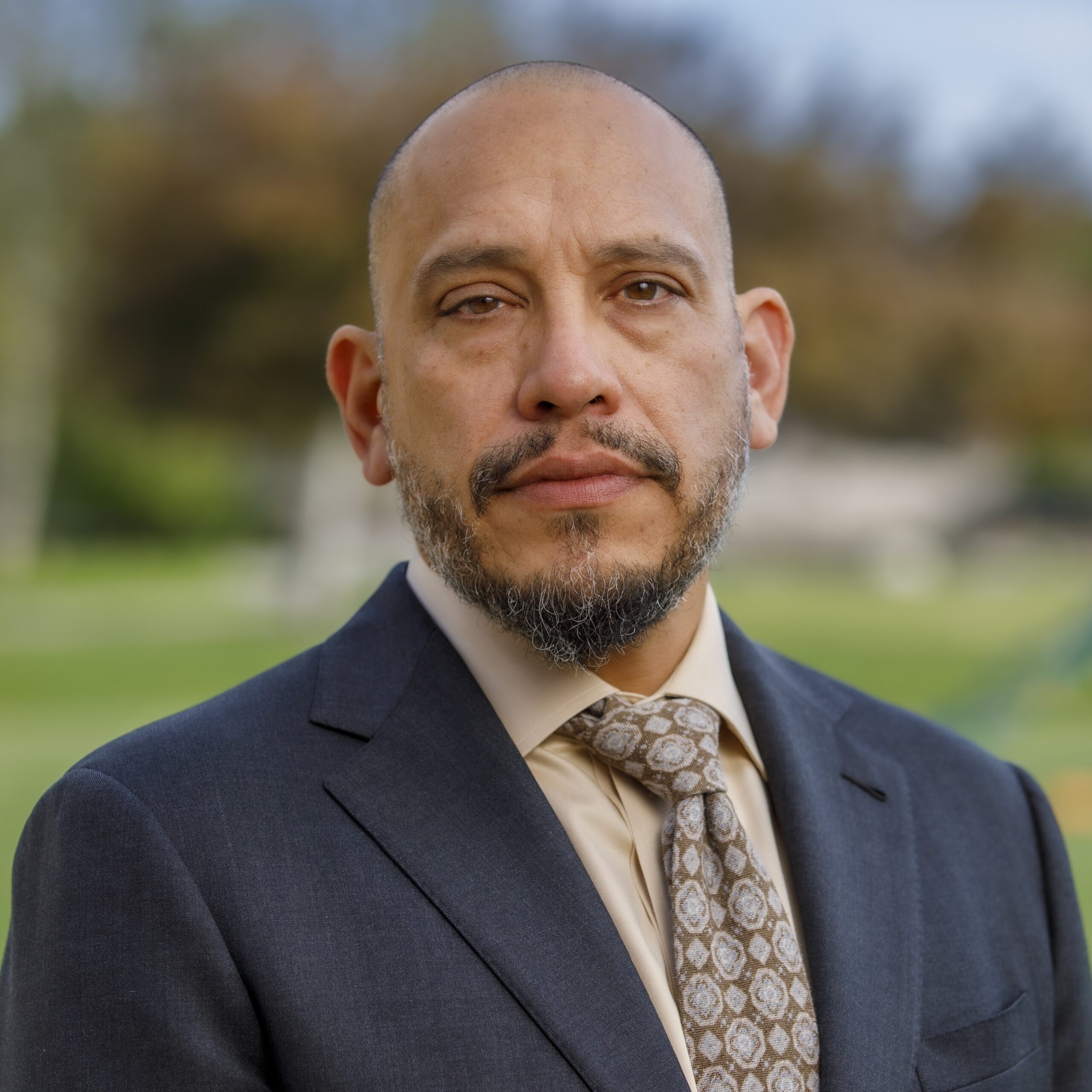
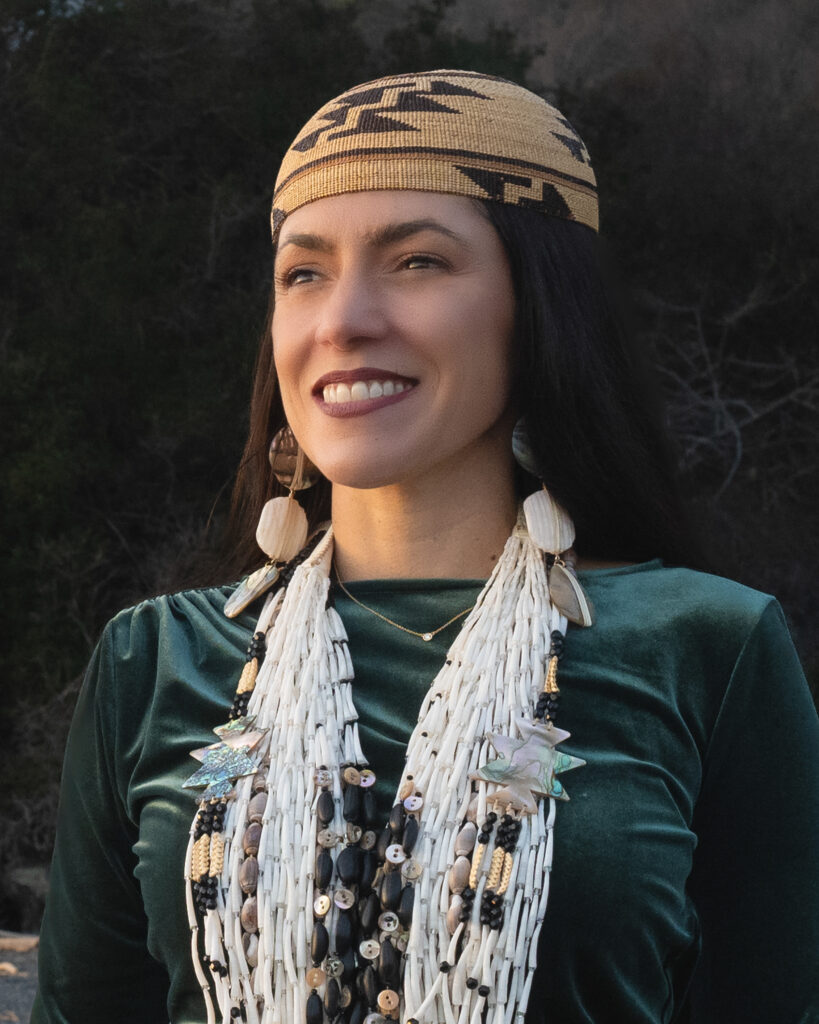
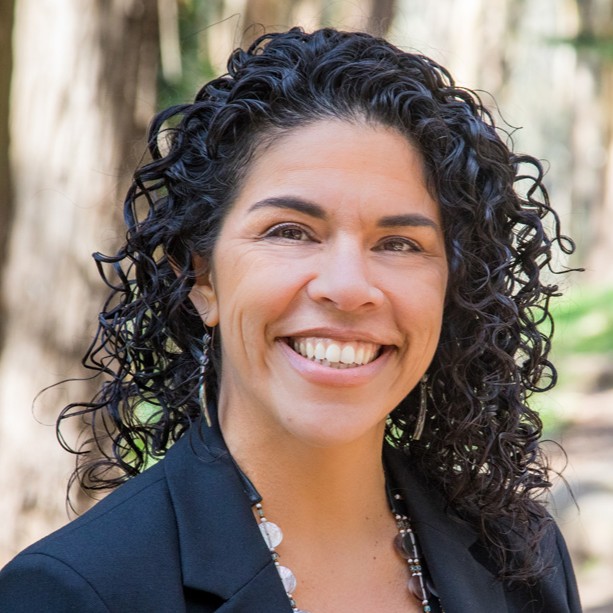
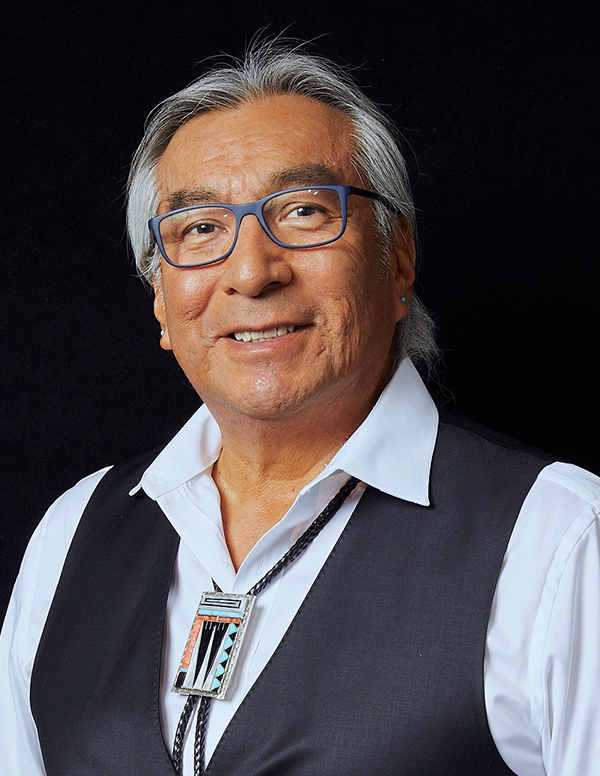
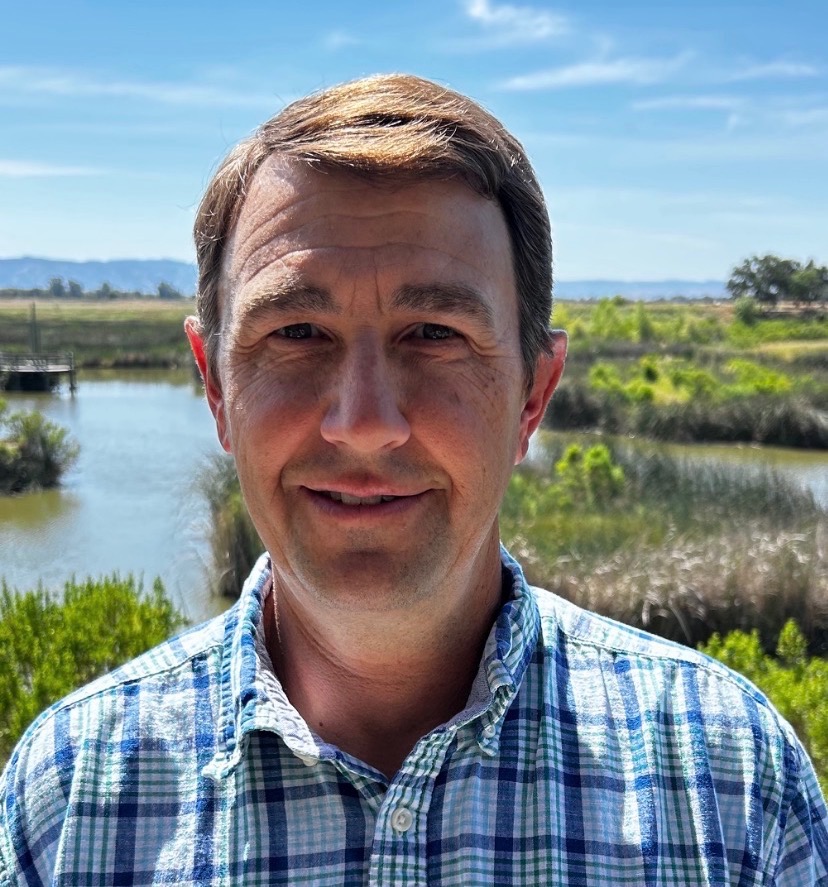
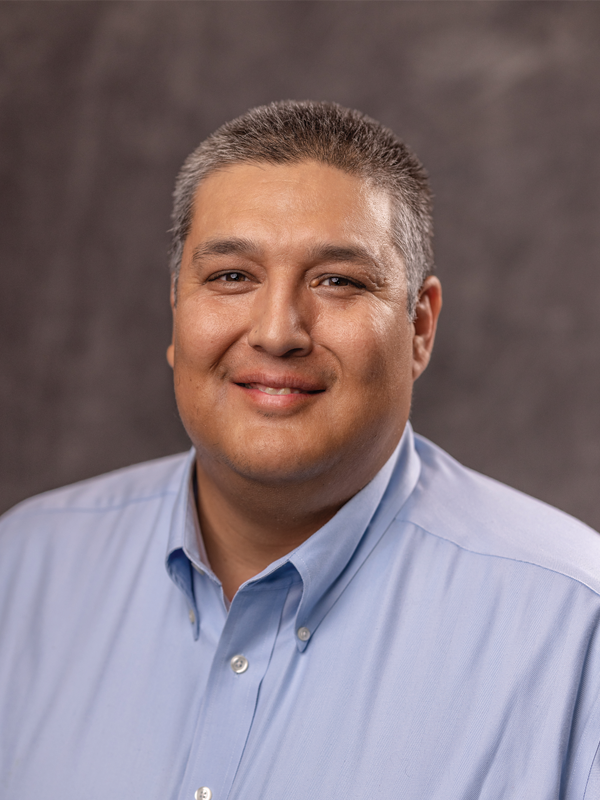
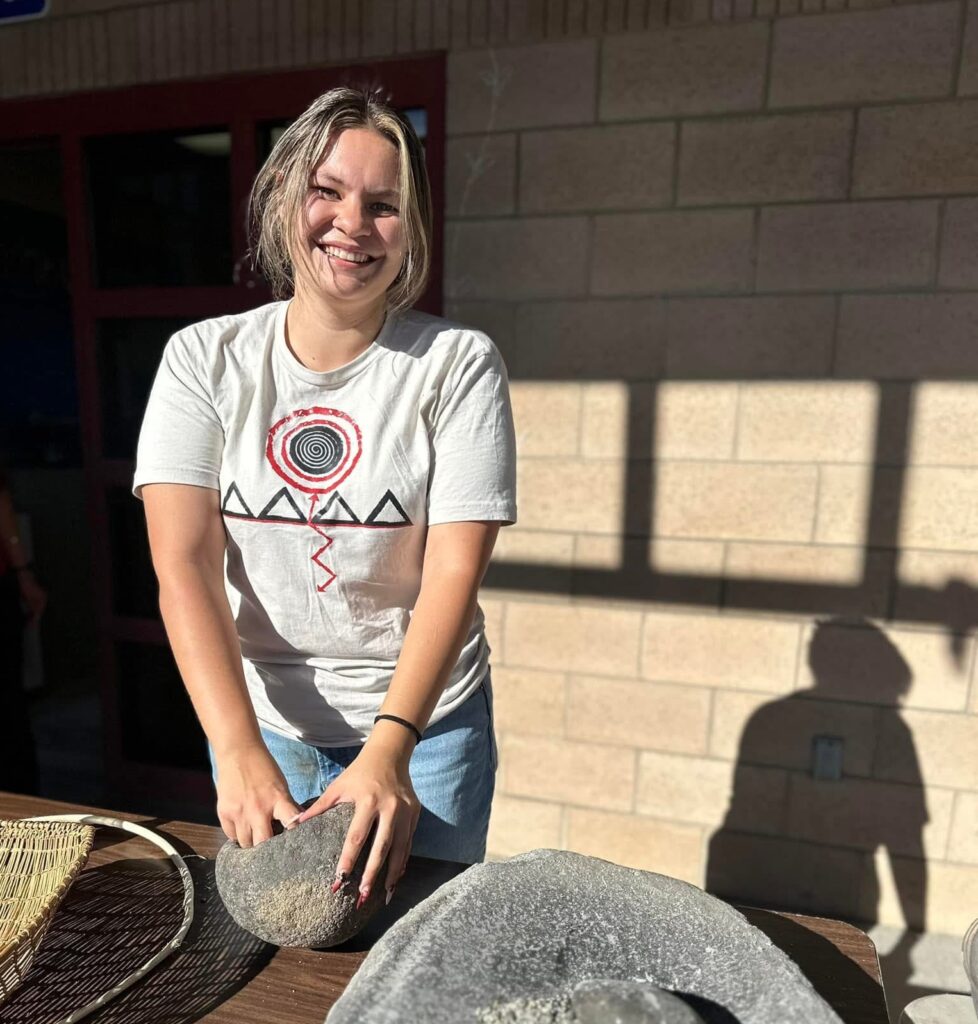
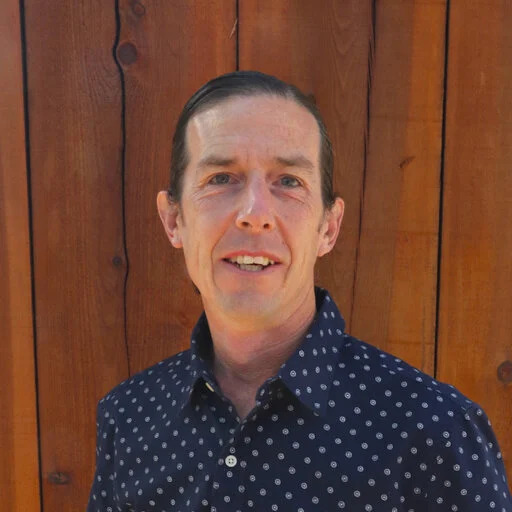
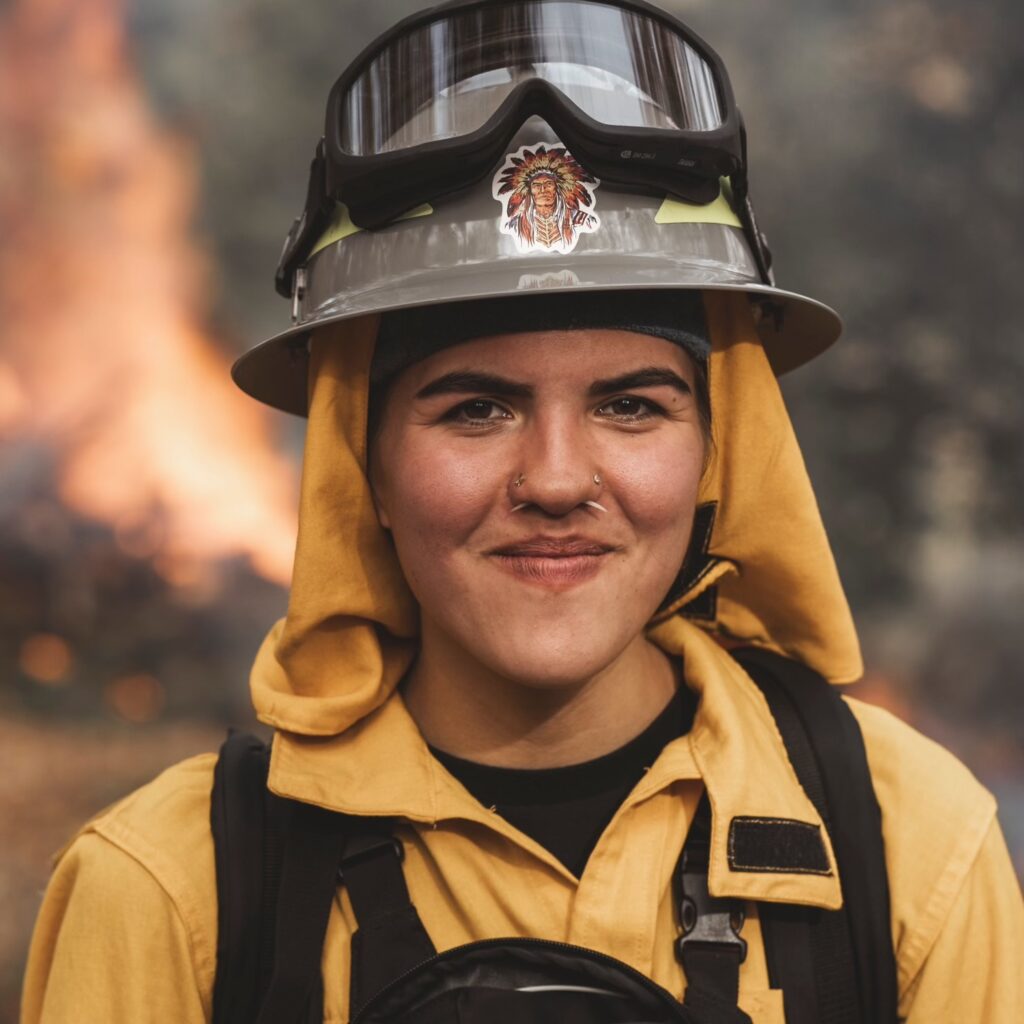
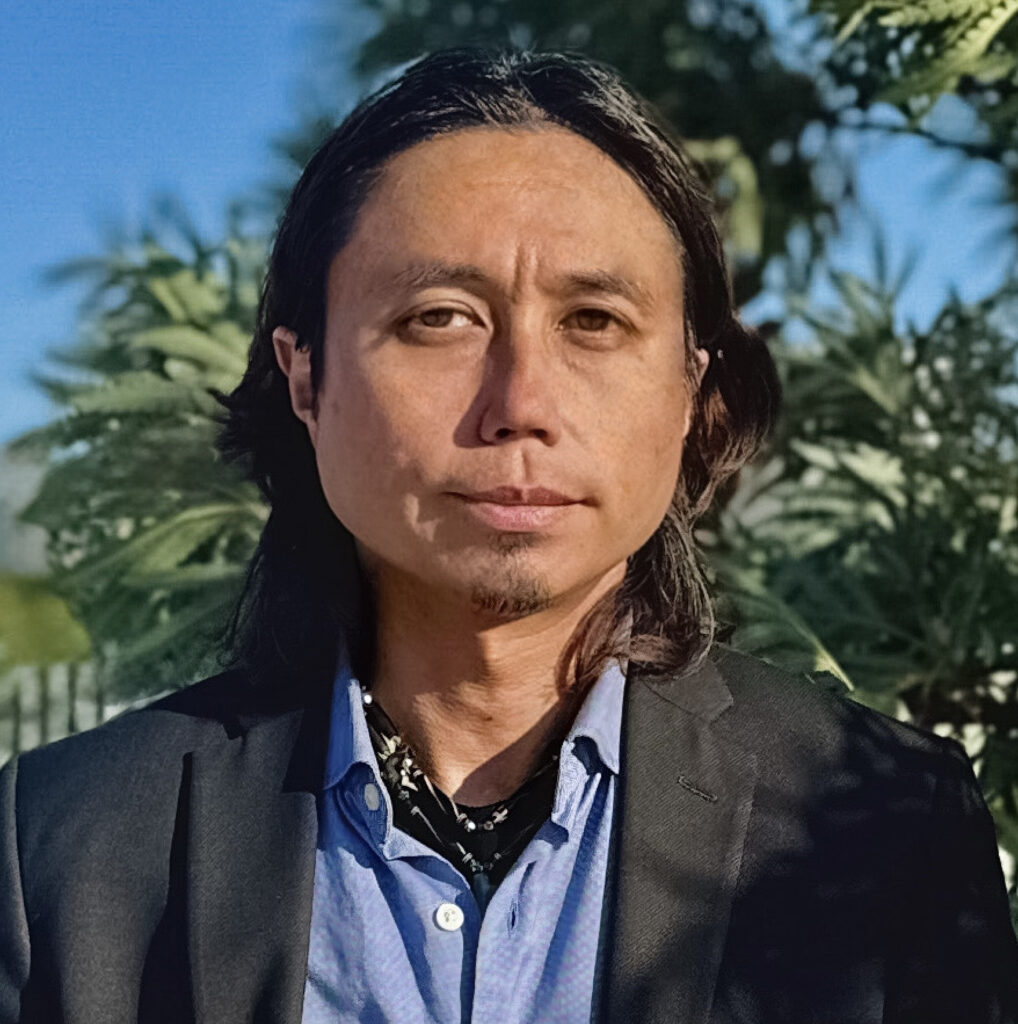
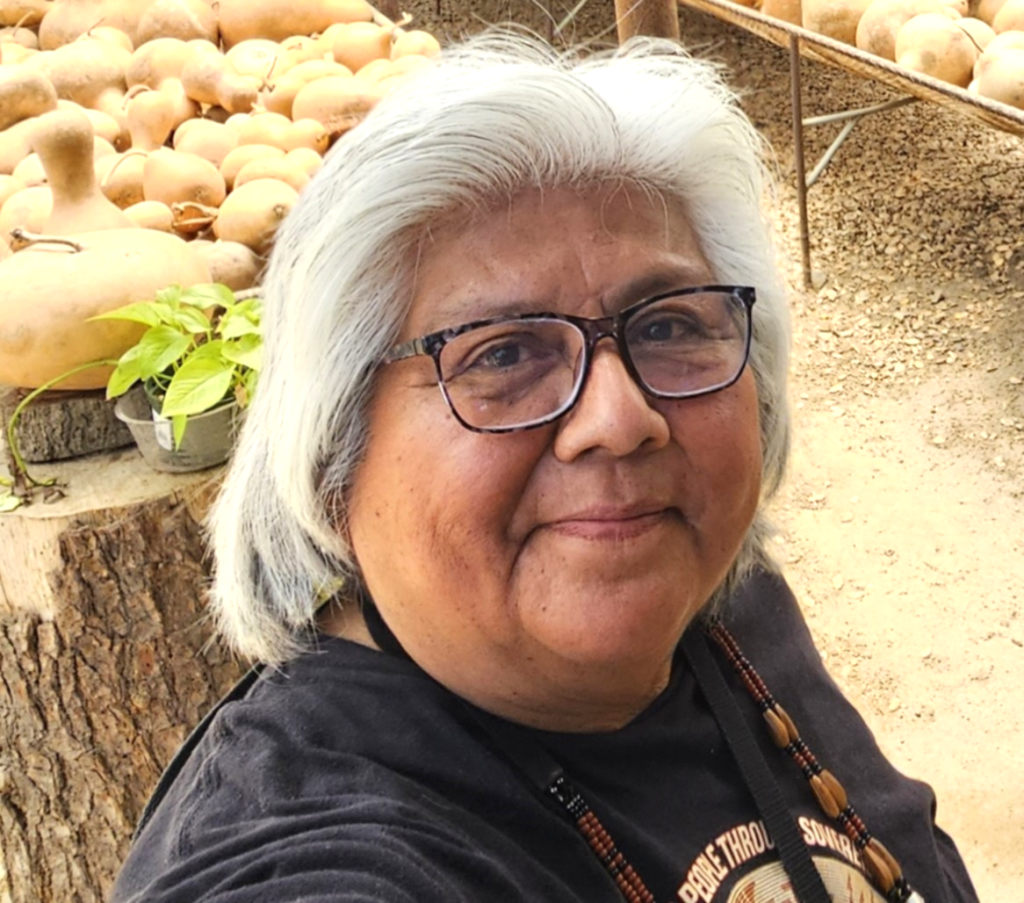
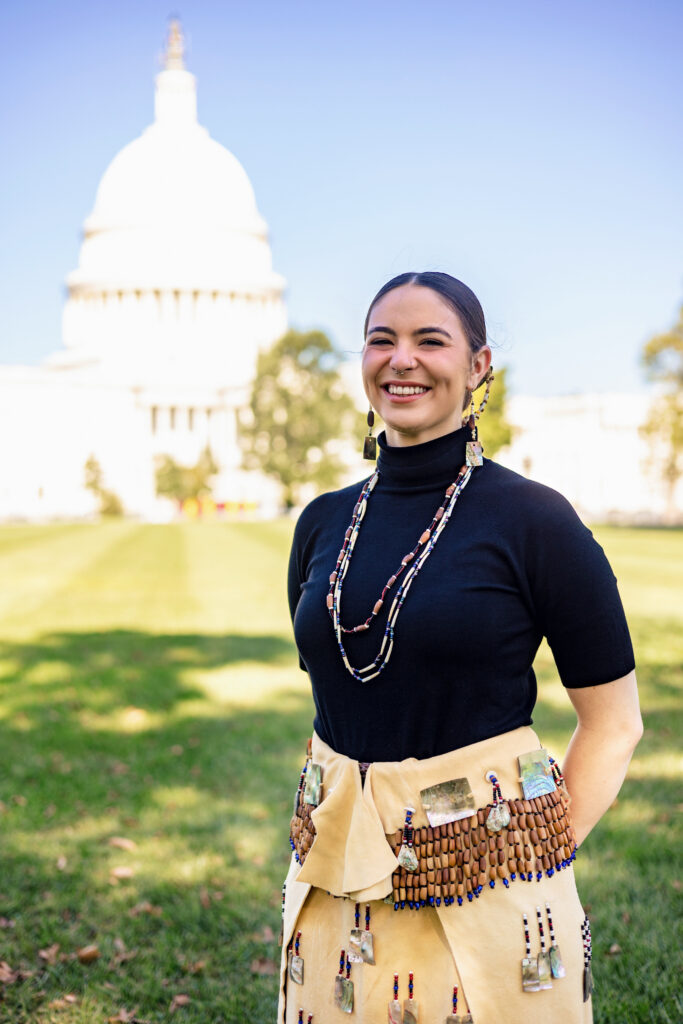
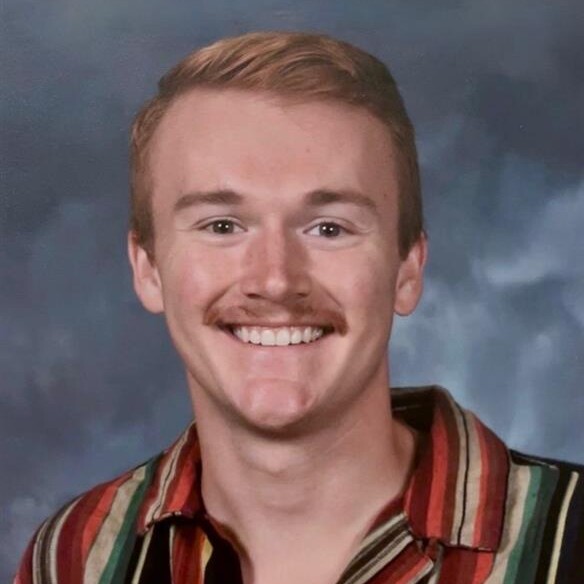
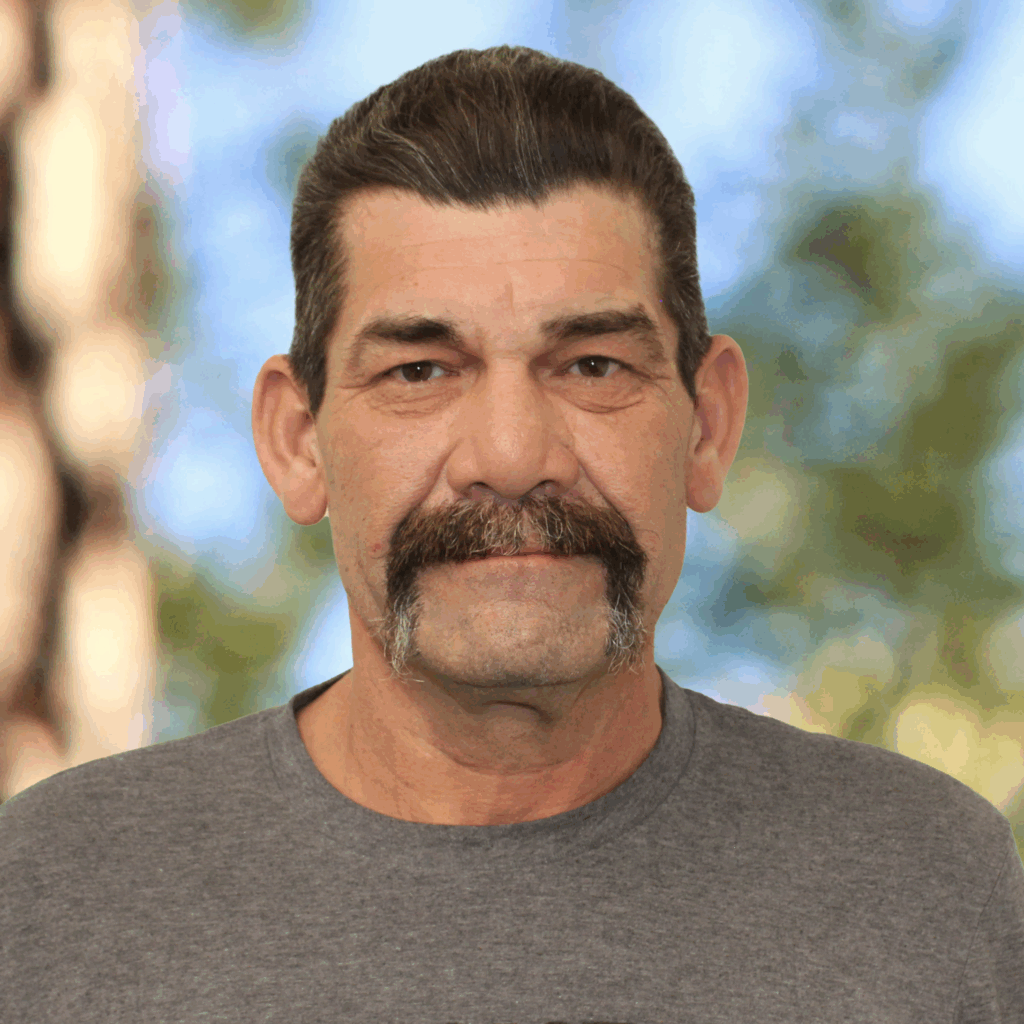
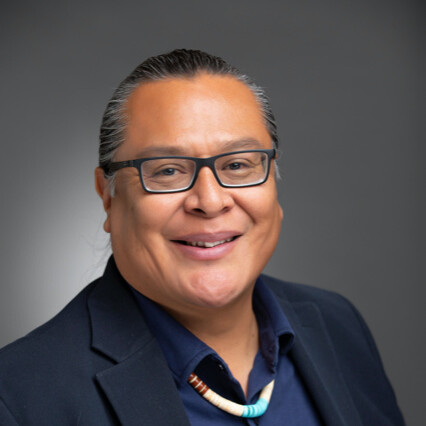
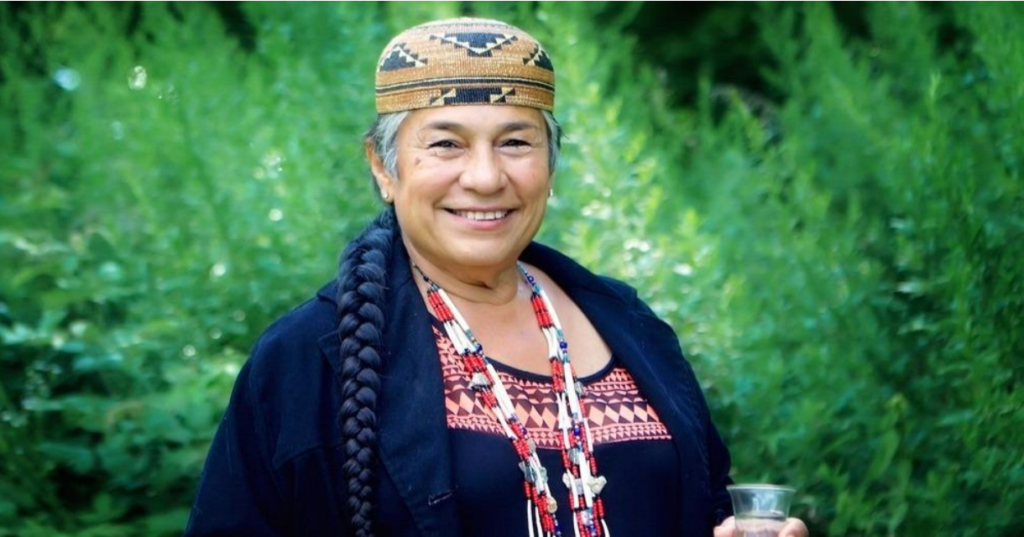
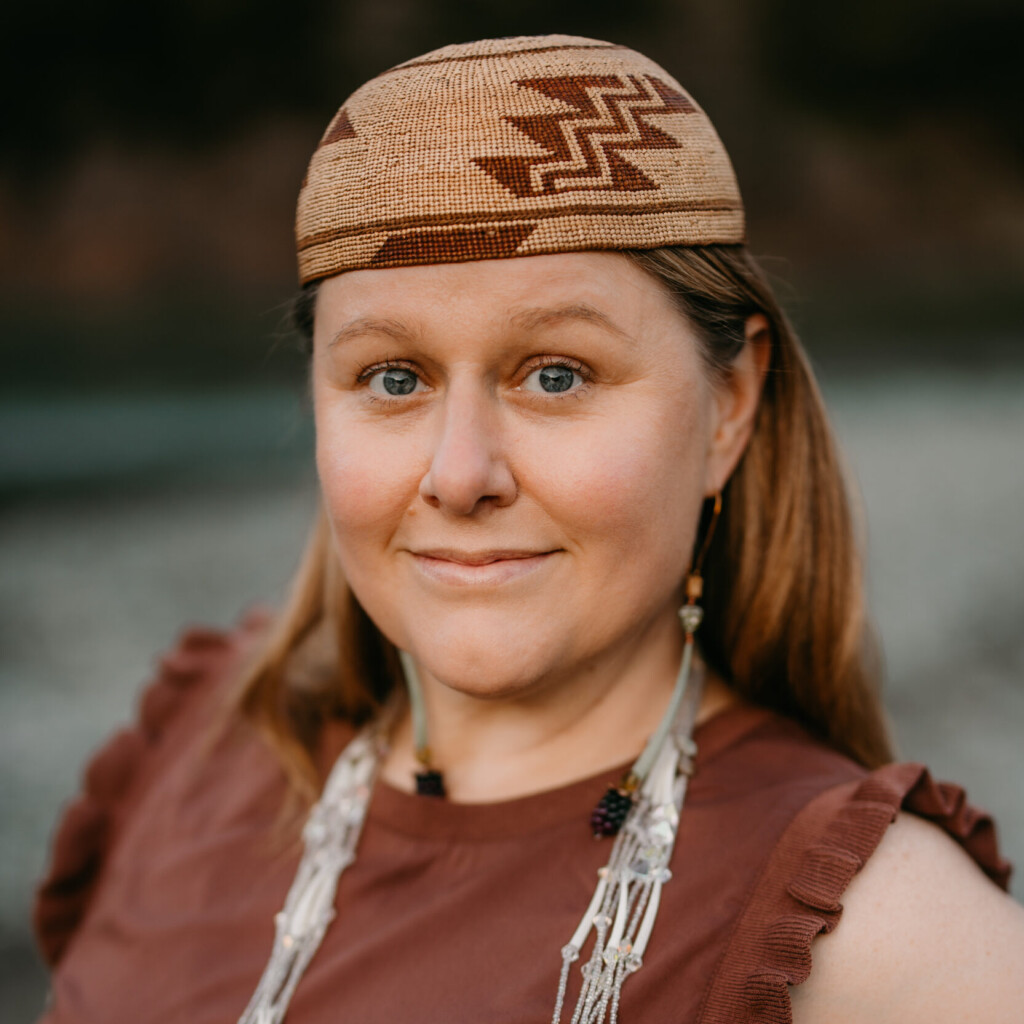
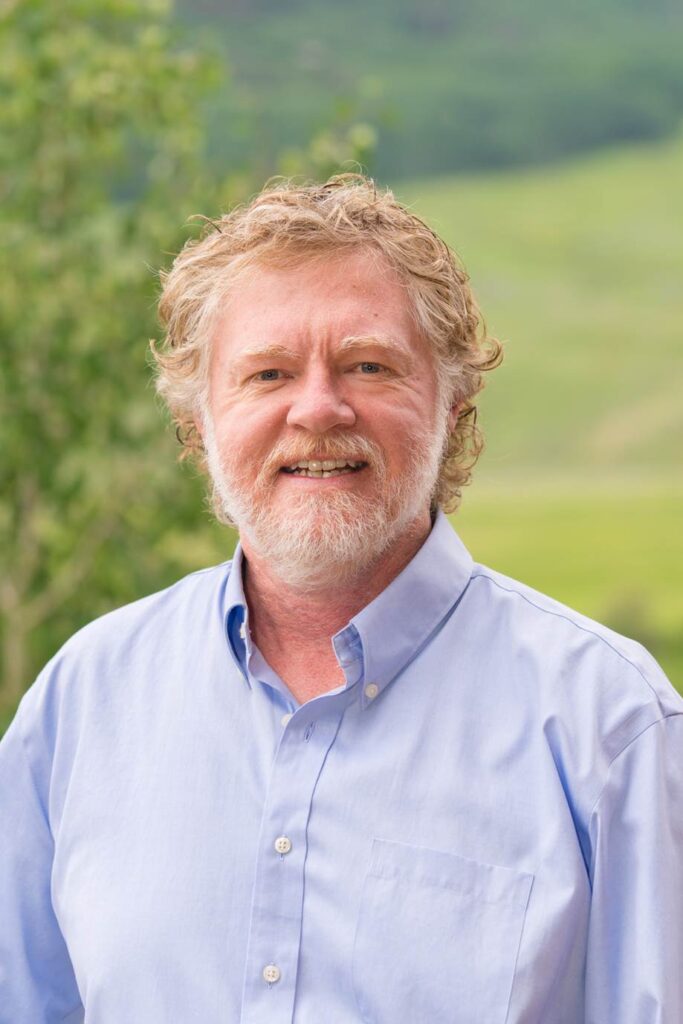
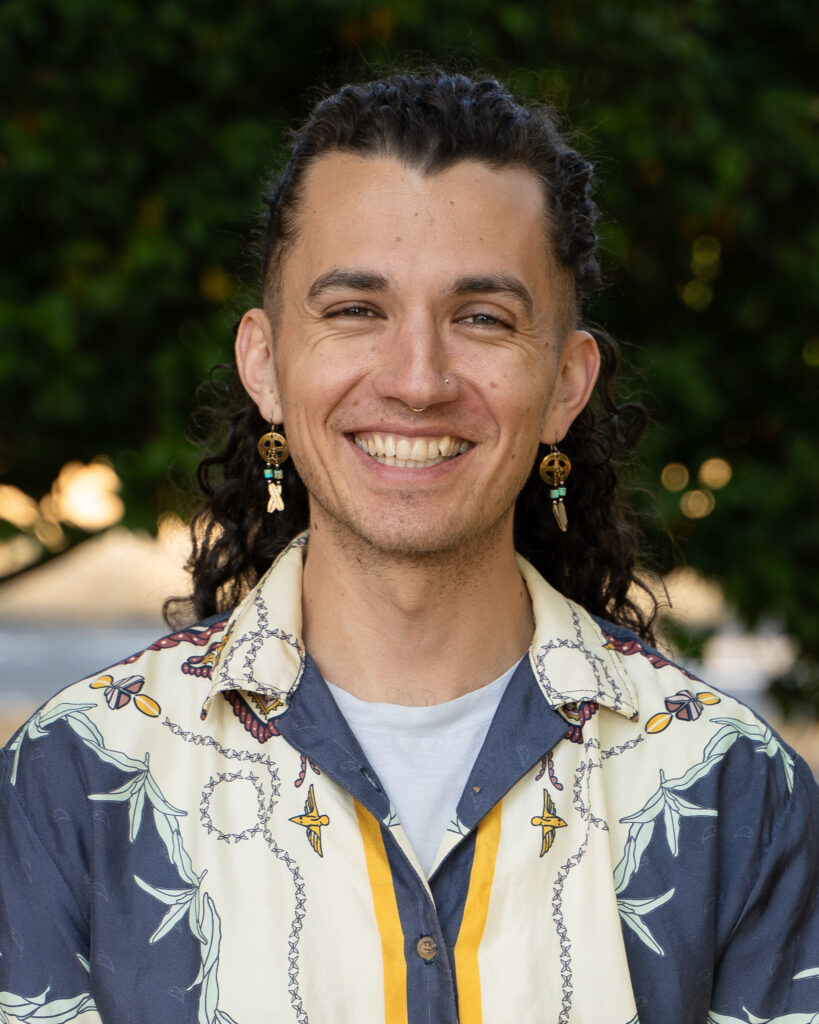
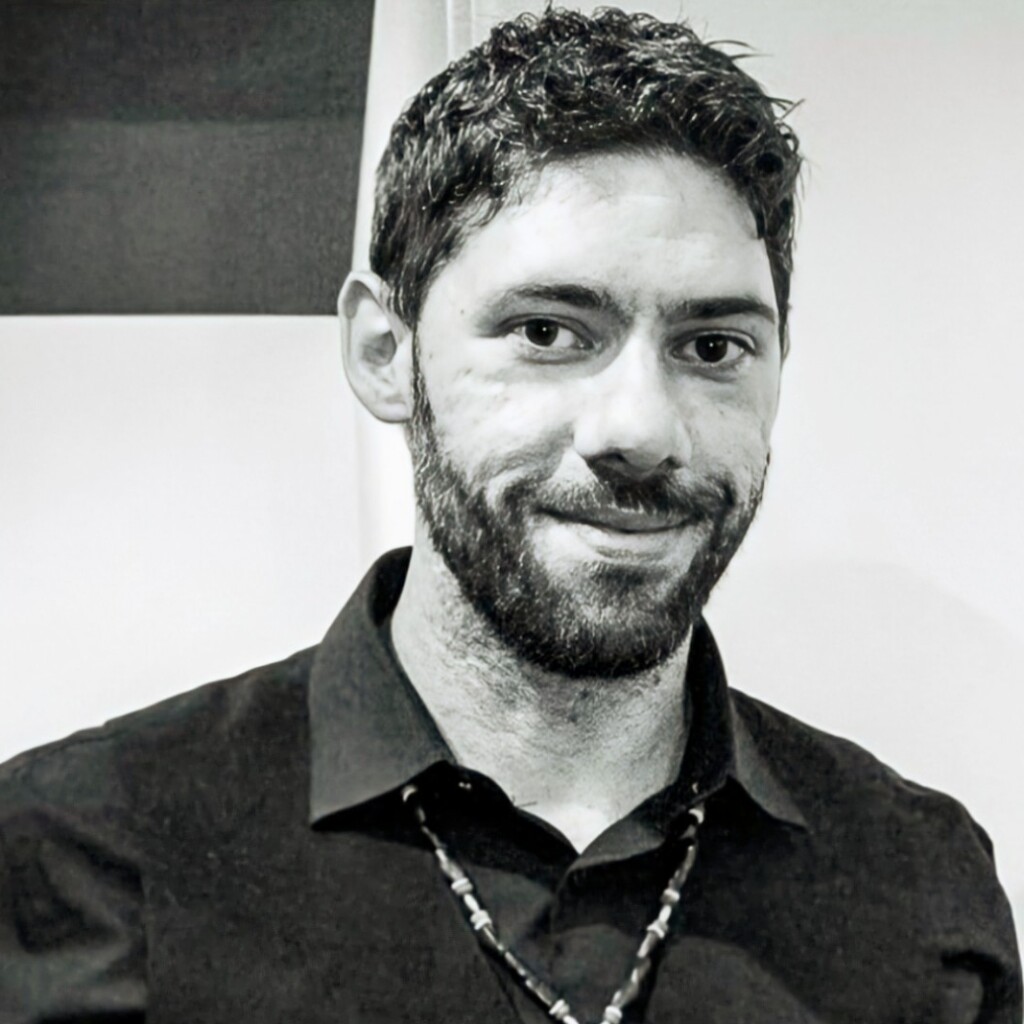
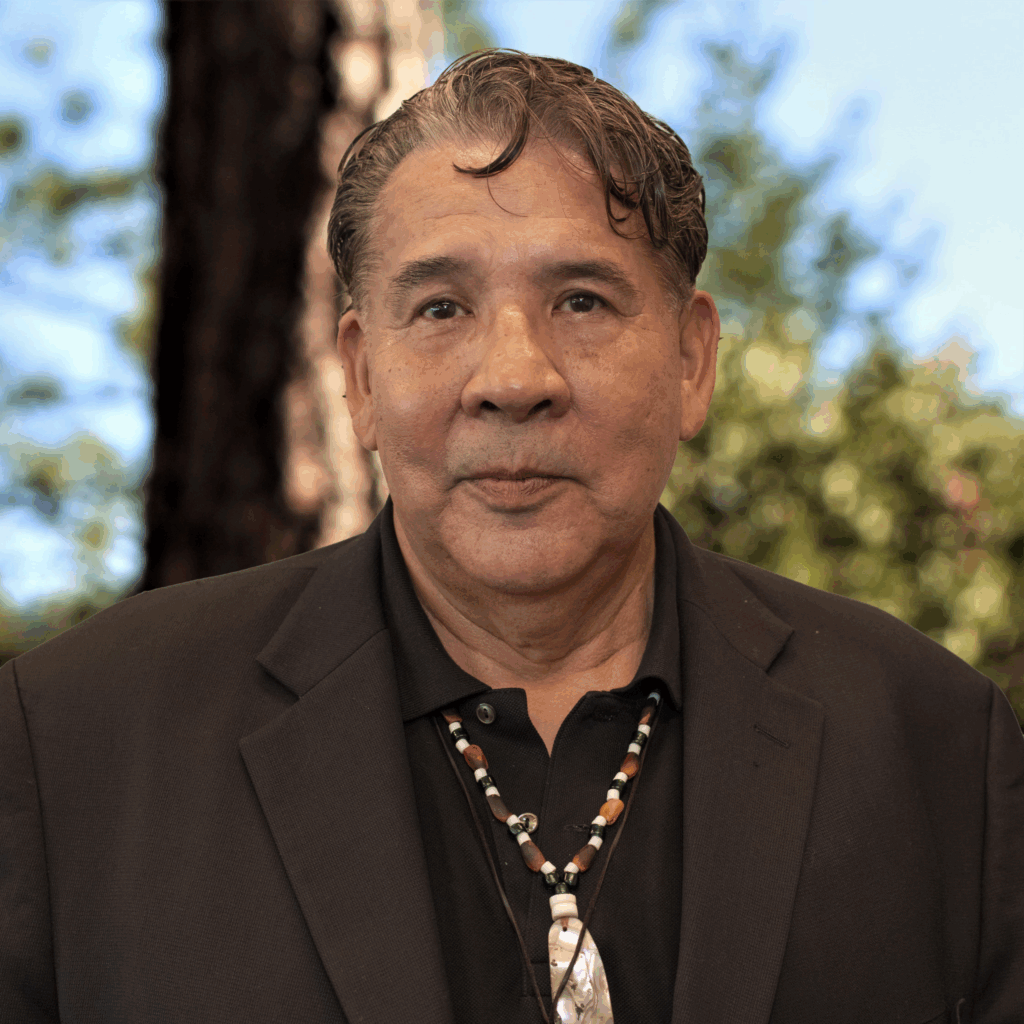
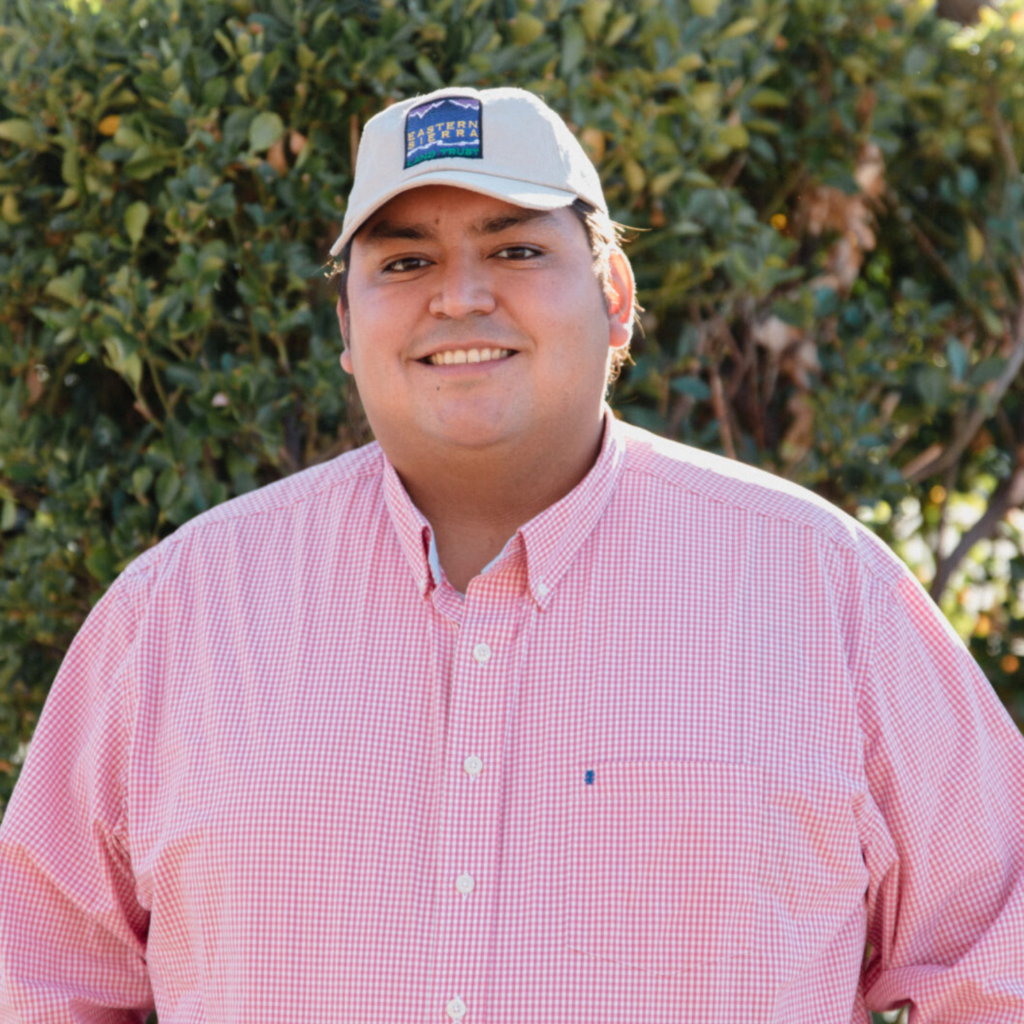
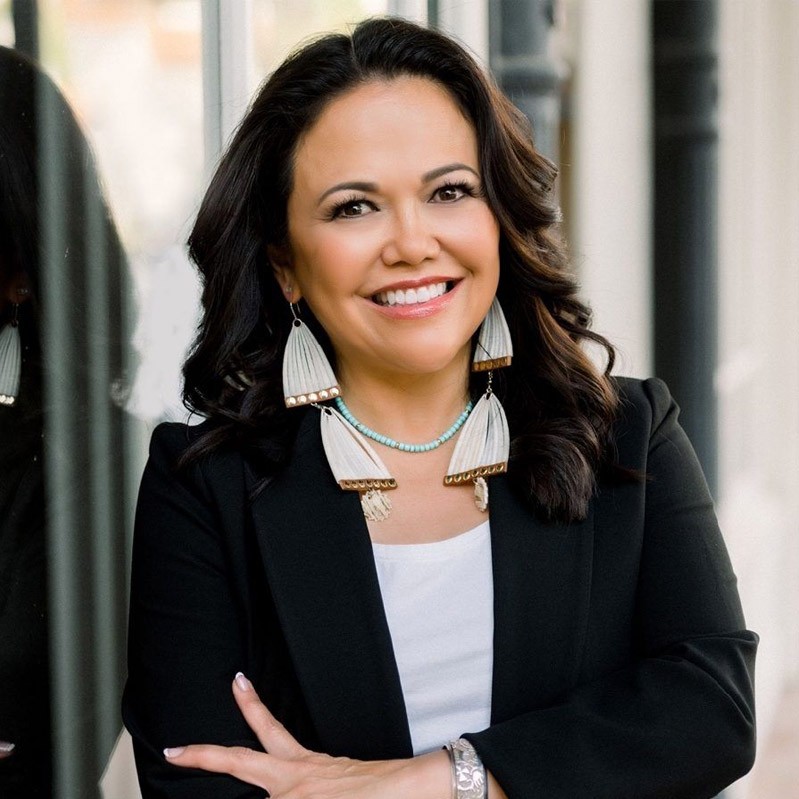
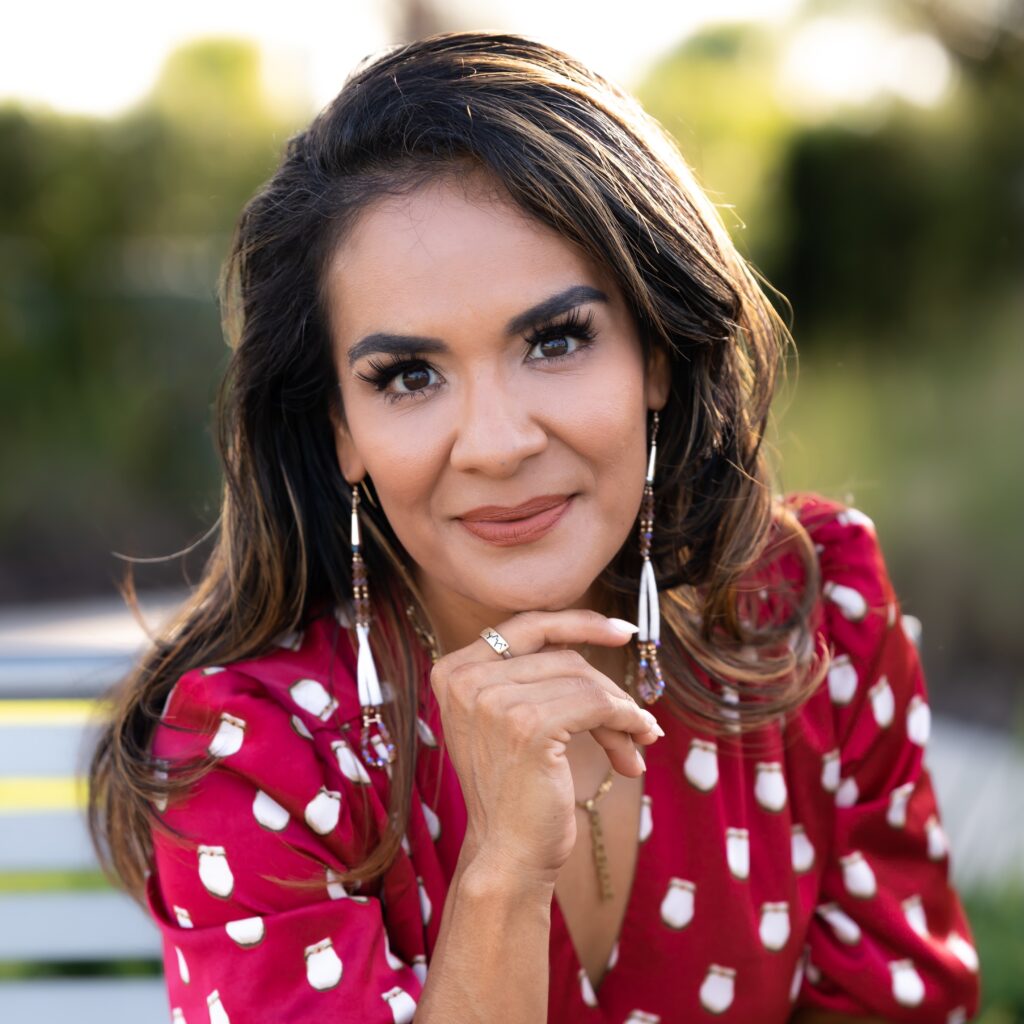
Amy Bowers Cordalis is a mother, fisherwoman, attorney, and member and former General Counsel of the Yurok Nation—the largest Indigenous Nation in California. She is currently the executive director of the Ridges to Riffles Indigenous Conservation Group, a nonprofit advancing Indigenous sovereignty through the protection of cultural and natural resources, including the undamming of the Klamath River. She is the recipient of the UN’s highest environmental honor, Champions of the World Laureate, and has been named to the second annual TIME100 Climate List (2024), featuring the one hundred most influential leaders driving business to real climate action. She is the author of The Water Remembers (Hachette, 2025).
Speakers
Speakers

Amy Bowers Cordalis
Yurok
Ridges to Riffles Indigenous Conservation Group

Amy Bowers Cordalis is a mother, fisherwoman, attorney, and member and former General Counsel of the Yurok Nation—the largest Indigenous Nation in California. She is currently the executive director of the Ridges to Riffles Indigenous Conservation Group, a nonprofit advancing Indigenous sovereignty through the protection of cultural and natural resources, including the undamming of the Klamath River. She is the recipient of the UN’s highest environmental honor, Champions of the World Laureate, and has been named to the second annual TIME100 Climate List (2024), featuring the one hundred most influential leaders driving business to real climate action. She is the author of The Water Remembers (Hachette, 2025).

Lycia Ortega Maddocks
Ft. Yuma Quechan Indian Tribe
Thunderbird Strategic LLC

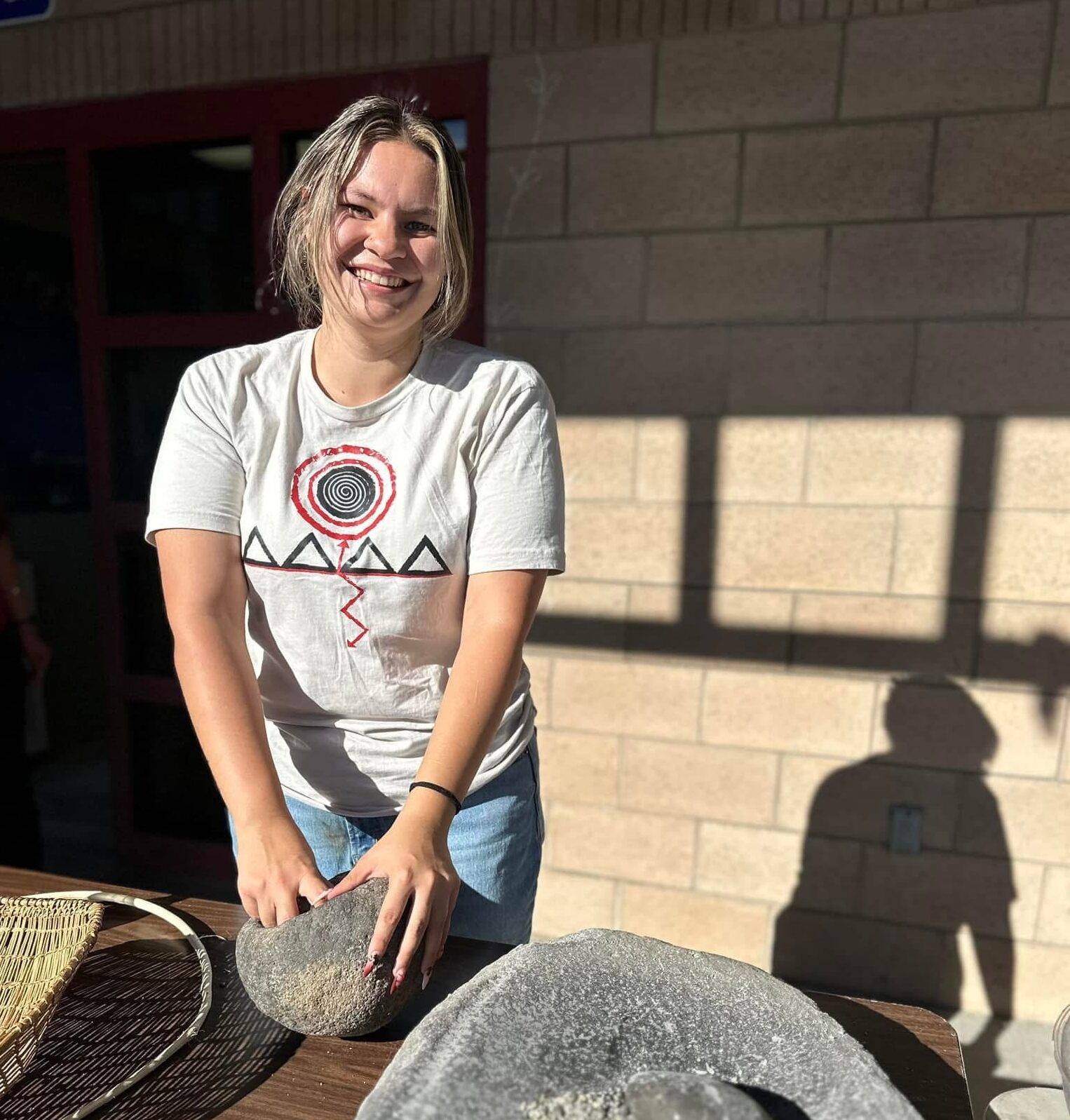
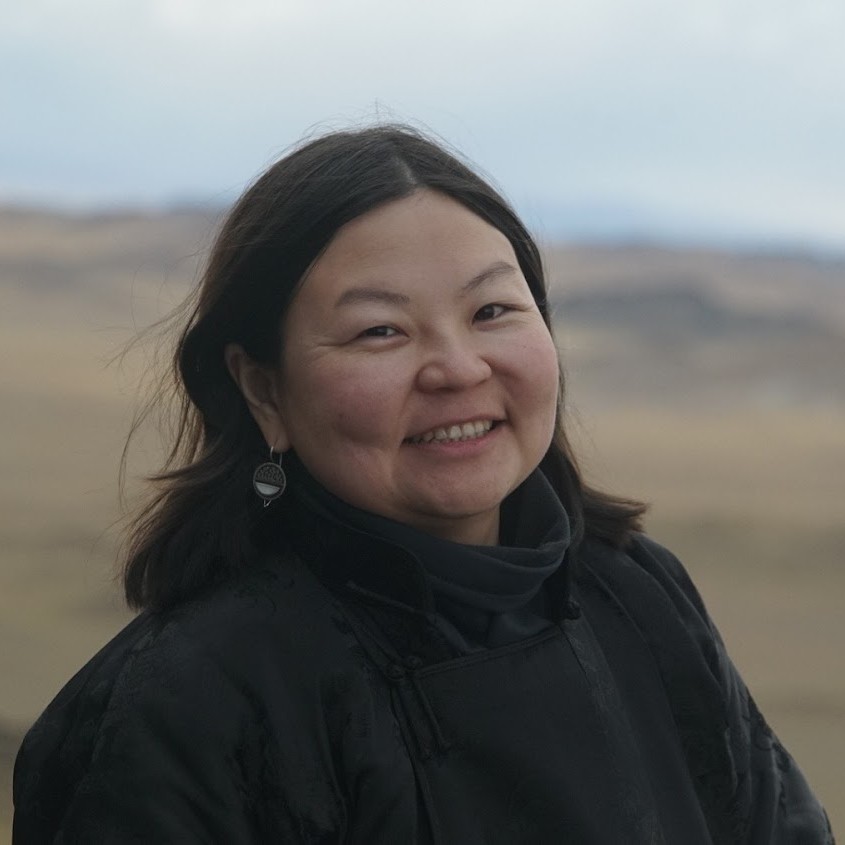
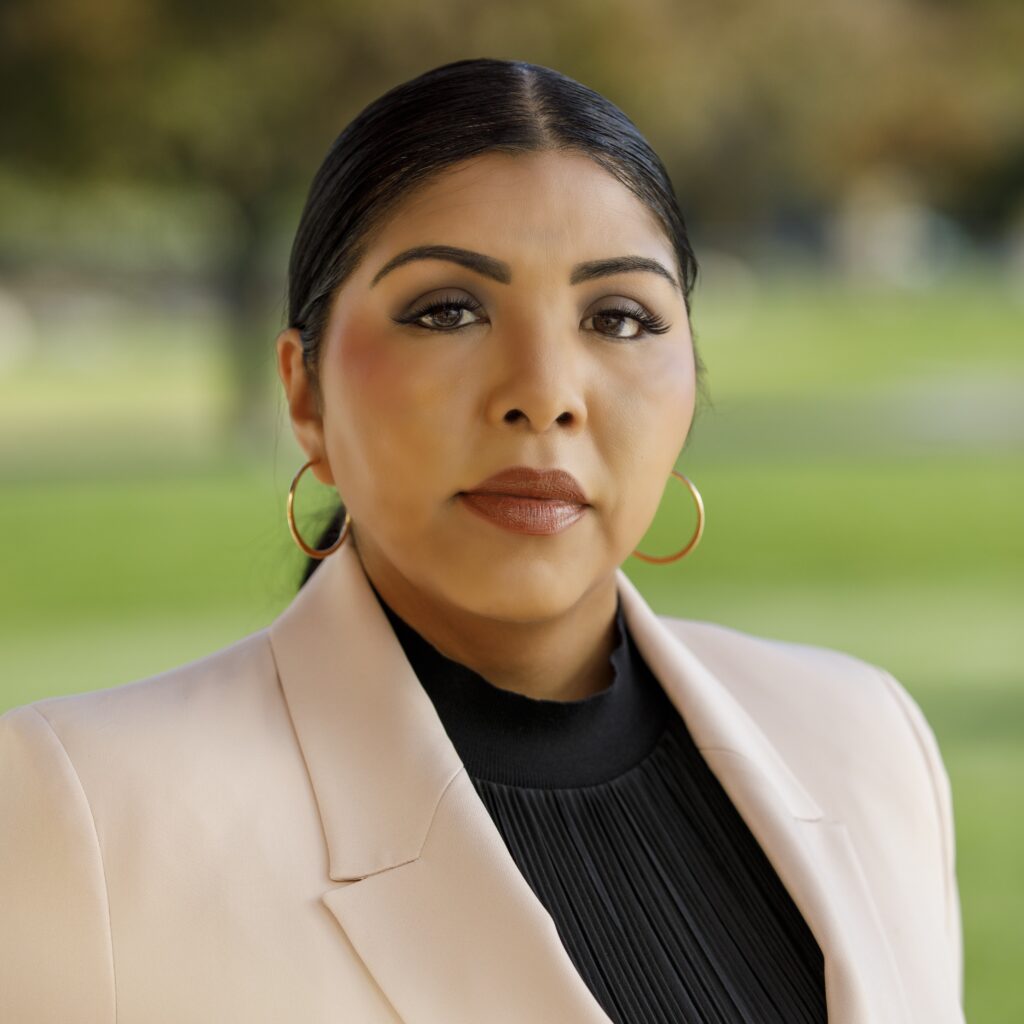
Lycia Ortega (she/her), citizen of the Ft. Yuma Quechan Indian Tribe, is a policy and communications strategist. She specializes in capacity building and organizational development for Tribes, Indigenous organizations, and community-led groups. For more than 17 years, Lycia has helped lead domestic and global initiatives to enhance the political power for Indigenous People and she is passionate about leveraging multimedia approaches for narrative change and storytelling efforts. She holds degrees in Indigenous Peoples Law, Communications, and Film and Video Production.

Noah Williams
Bishop Paiute Tribe
Eastern Sierra Land Trust

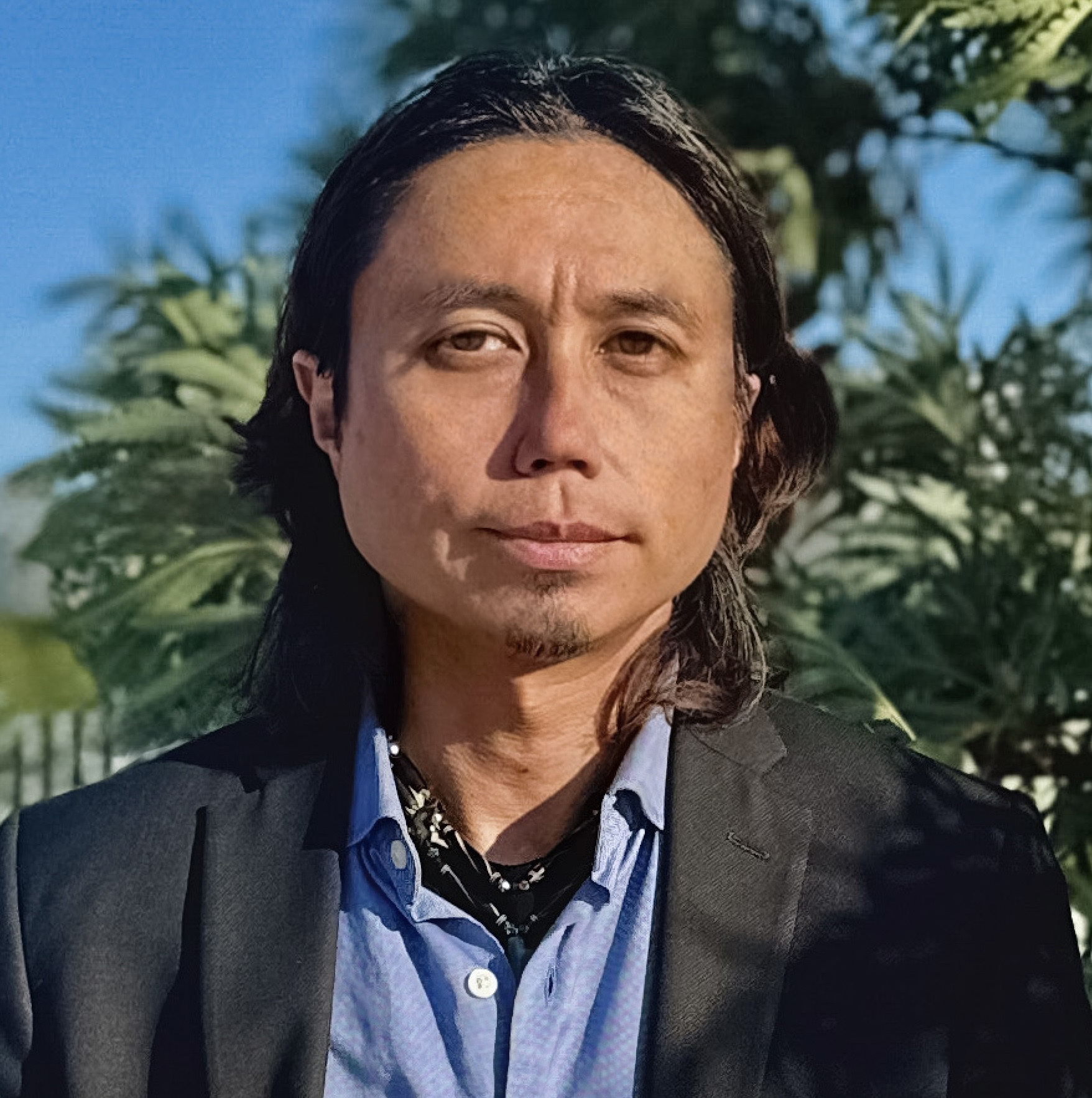
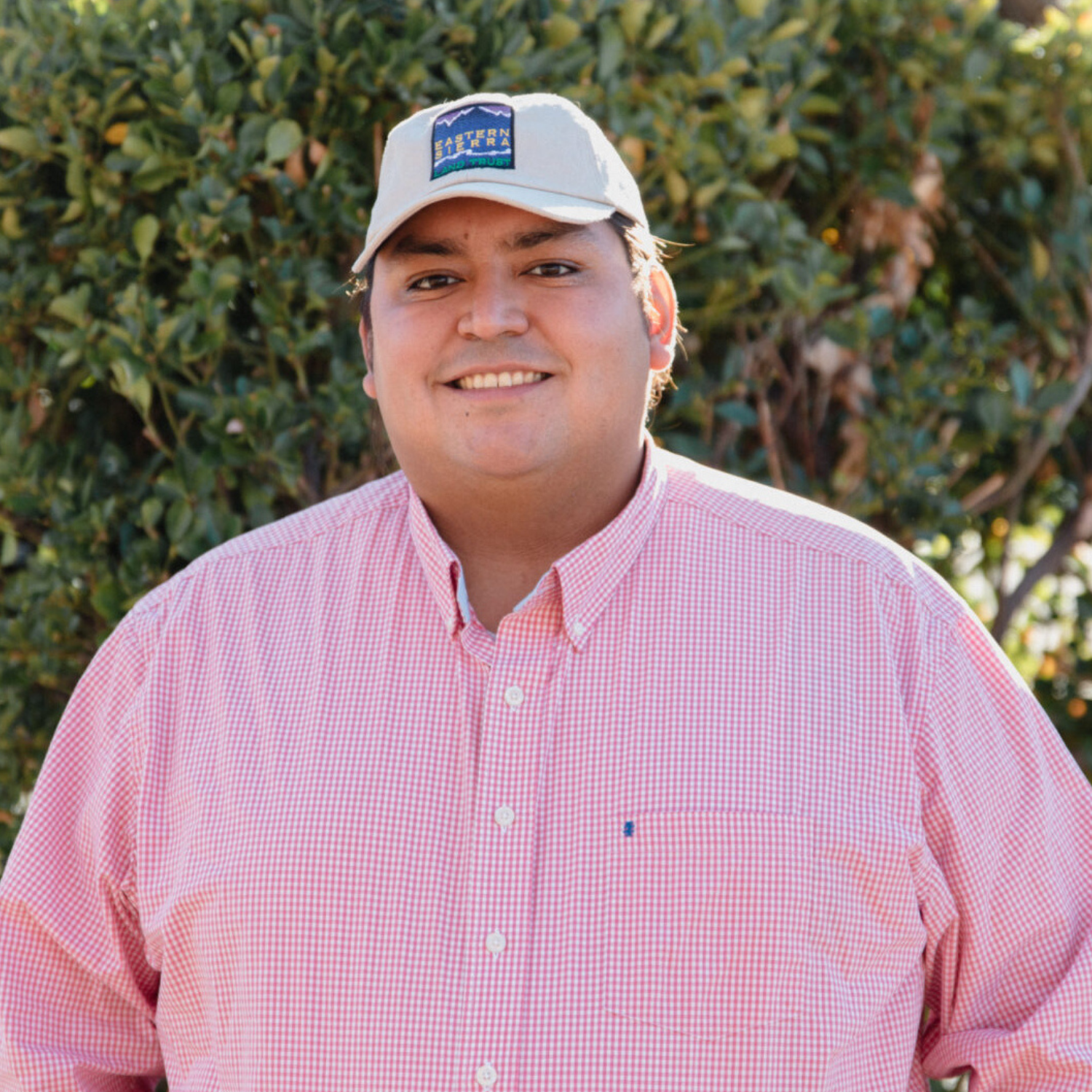
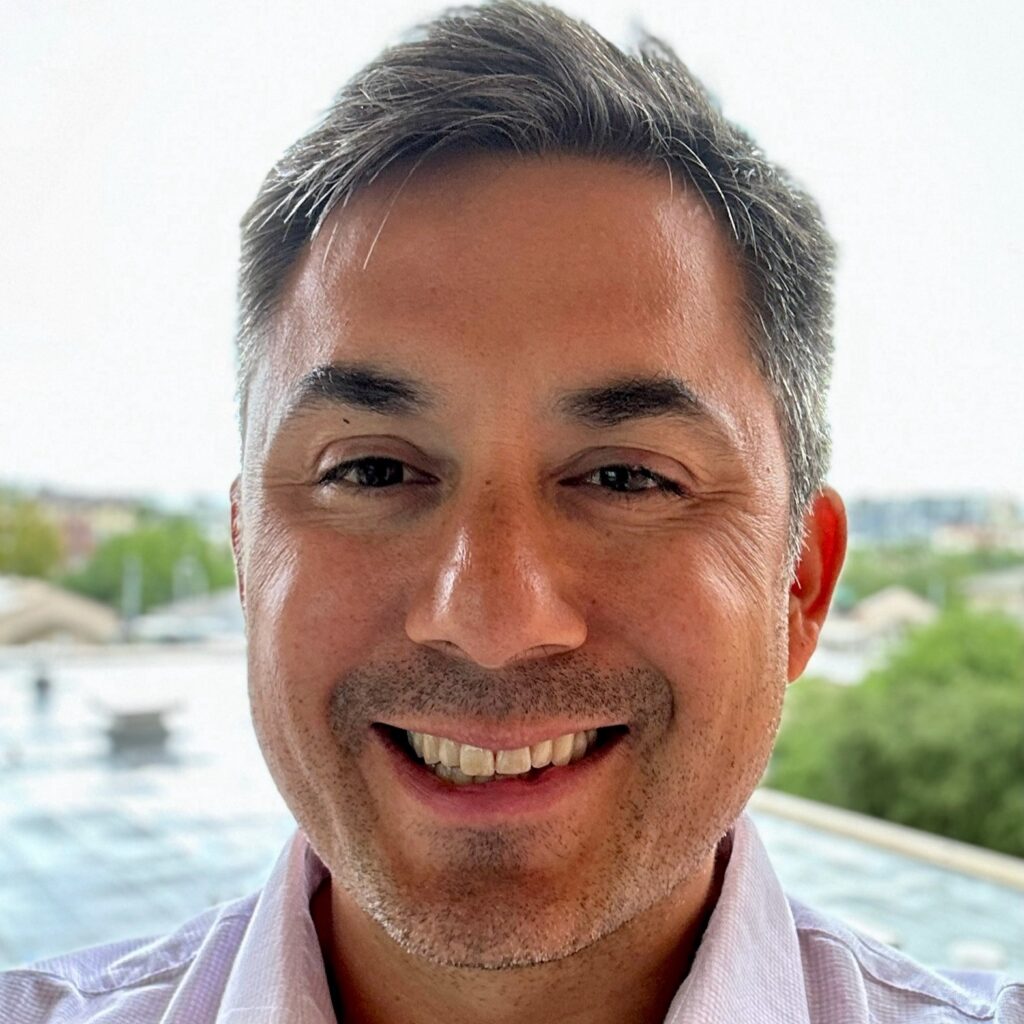
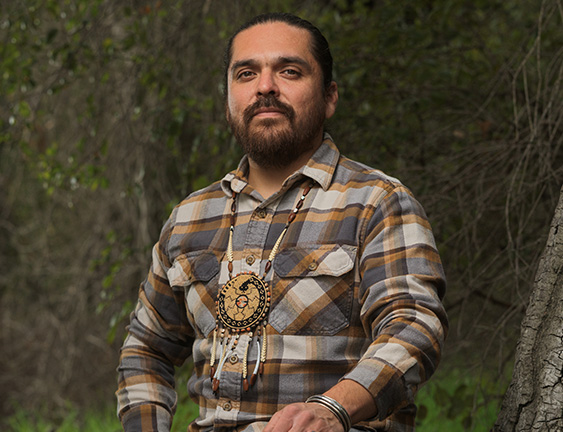
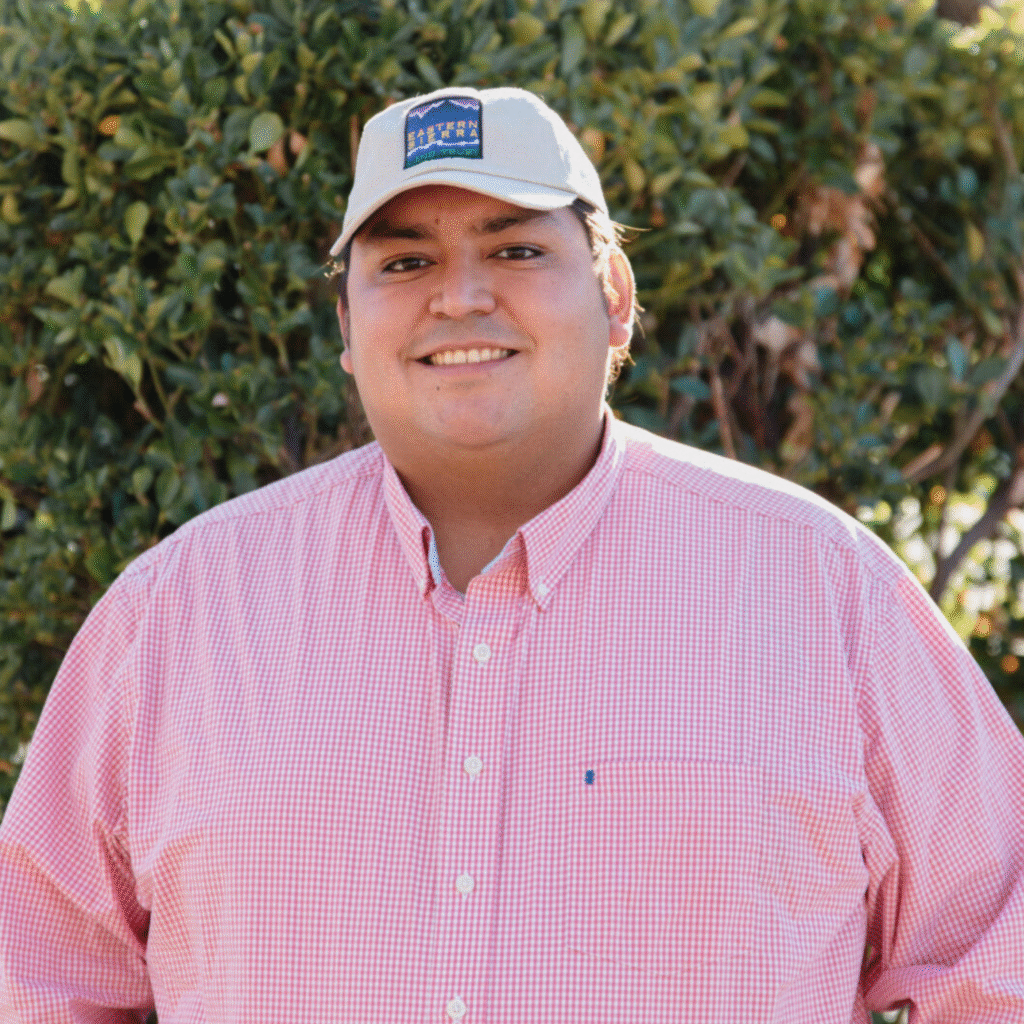
Noah Williams is a member of the Bishop Paiute Tribe and grew up in Owens Valley. From an early age, he has been involved in the environmental protection of lands and water in his homelands which his family has long called “Payahuunadü.” After earning his degree in 2019, Noah moved back to Bishop to begin his career and support the efforts of local tribal environmental programs for the protection of tribal lands. Noah joined ESLT in 2024 as the Tribal Partnership Program Manager to build long-term partnerships with tribal communities and stakeholders and support the conservation and stewardship of lands in the Eastern Sierra. He envisions tribal partnerships as an opportunity to enhance the conservation values of the lands stewarded by ESLT. Noah also proudly serves as Vice Chair for the California Environmental Protection Agency Tribal Advisory Committee and Vice Chair for the Bishop Paiute Tribe TEPA Board to further advocate for the protection of lands and water in the Eastern Sierra.

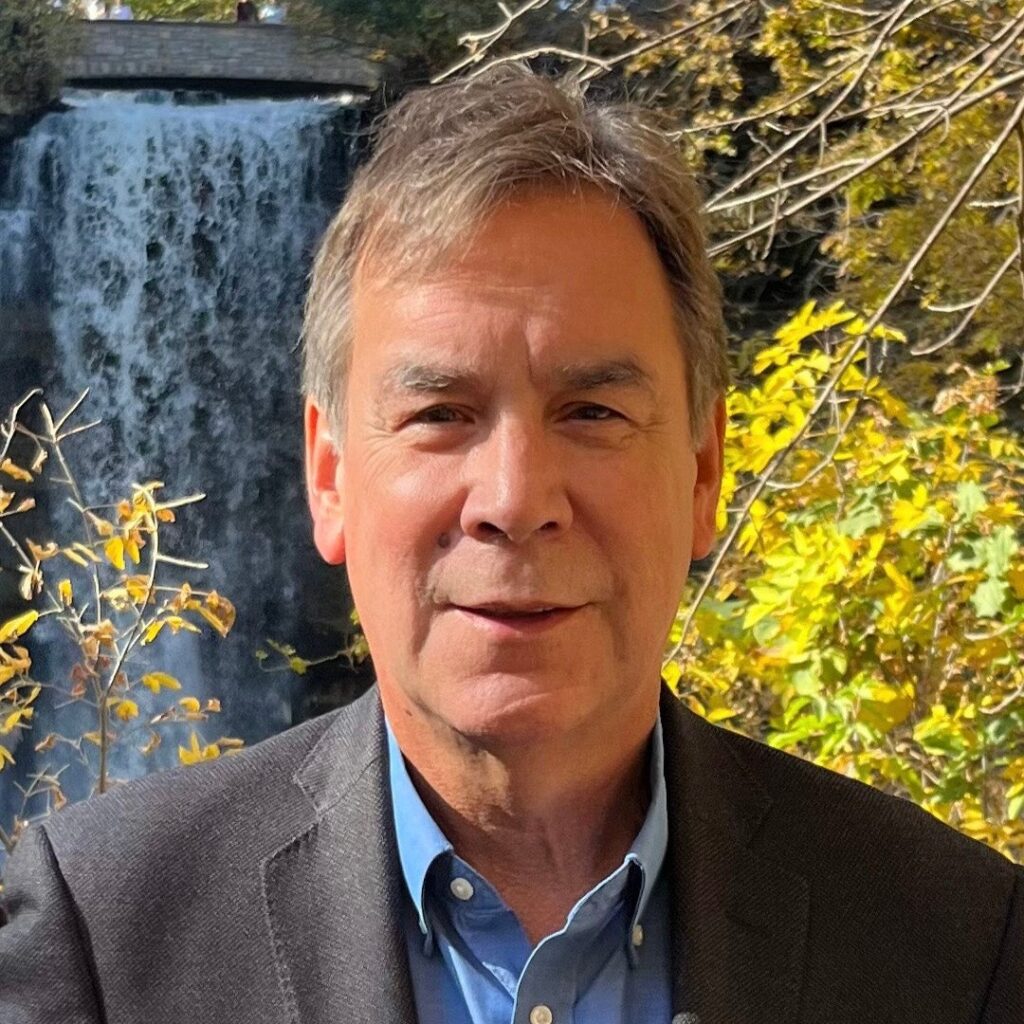
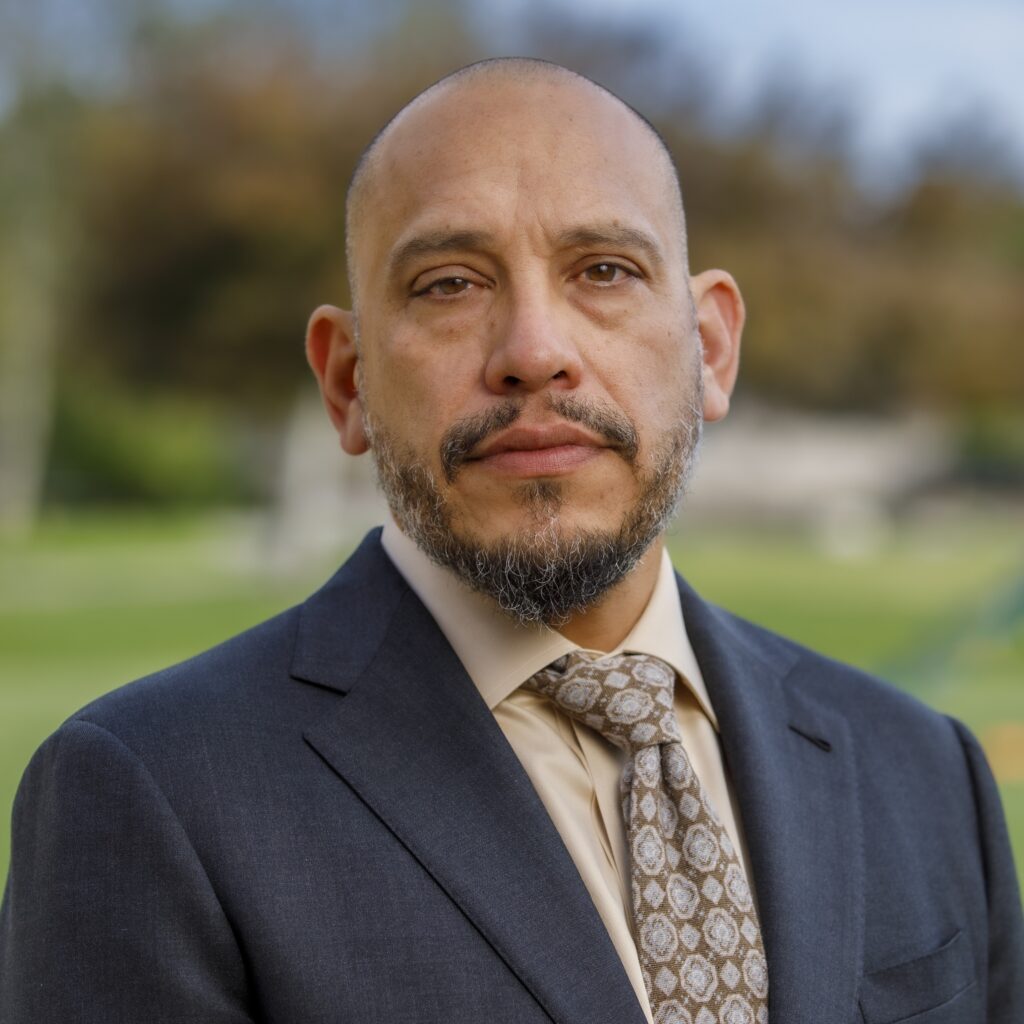
Hon. Anthony Roberts, MA (Comms) MP

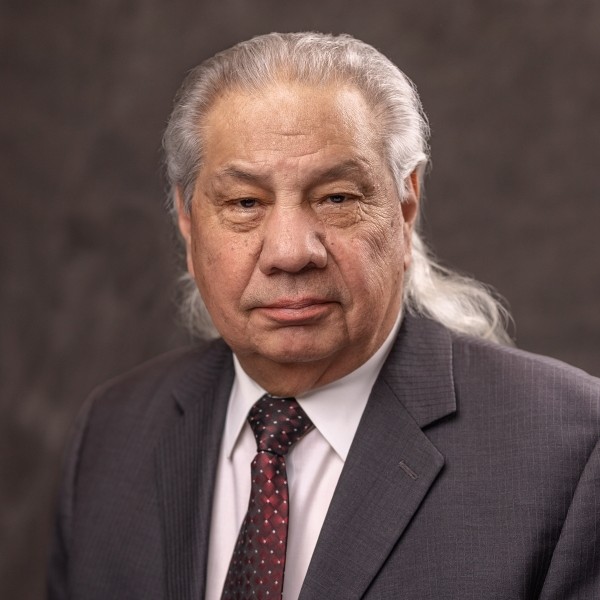
Anthony Roberts is Tribal Chairman of the Yocha Dehe Wintun Nation. Elected Chairman in January 2018, he has served on the Tribal Council since 2000 and as Treasurer since 2006.
Chairman Roberts is actively involved in the tribal community, serving as Chair of the Yocha Dehe Wintun Academy Board of Trustees, Doyuti T’uhkama and Cache Creek Casino Resort as well as Vice Chair for the Fire Commission.
Chairman Roberts is also a member of the Young Adult Assistant Program (YAAP), Facilities & Infrastructure, Health & Wellness and Community Fund committees. He formerly served as the Chairman and Commissioner of the Yocha Dehe Tribal Gaming Agency (TGA).
As Chair of the Yocha Dehe Wintun Academy Board, Chairman Roberts is committed to helping Yocha Dehe youth connect with their ancestral heritage, further their education and participate in the businesses and leadership of the Tribe.
As former Chair of the Community Fund Board, Chairman Roberts believes strongly in the Native tradition of giving and is gratified by the positive impact the fund has had in the region. He is a strong advocate for Autism Speaks, which focuses on funding, awareness, advocacy, research and treatment for individuals with autism and their families.
Chairman Roberts actively serves the greater Yolo County community as a member of the Yolo County Fair Board, a post to which he was appointed in 2012 by then Governor Edmund G. Brown, Jr.
Chairman Roberts has lived in the tribal community for most of his life. He is an avid sports fan and participates in an organized basketball league.

A. Brian Wallace
Washoe
Indigenous Futures Society

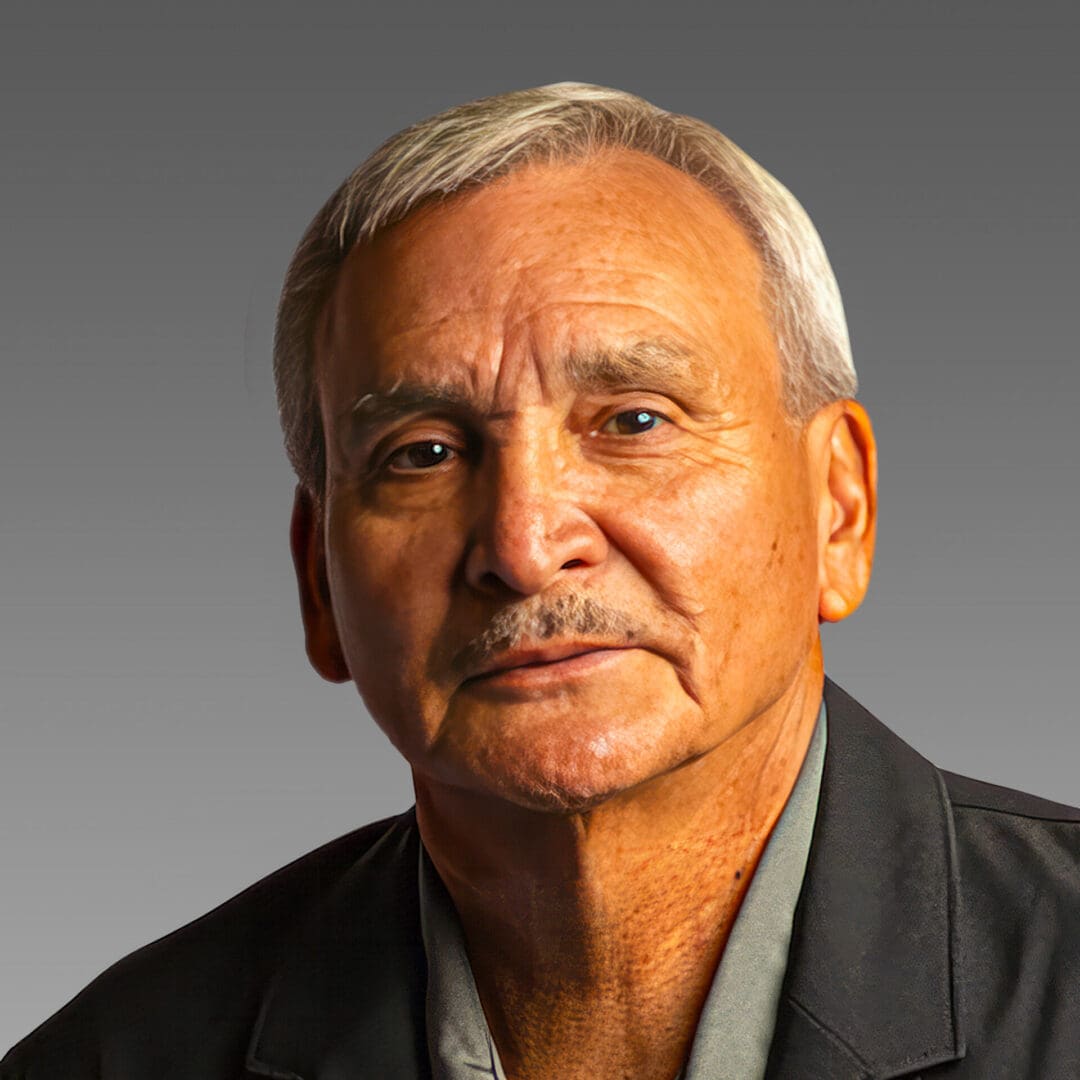
Albert Brian Wallace is the visionary of the Indigenous Futures Society, inspiring our groundbreaking programs, and the heart of our annual Sierra Nevada Tribal Summit. Brian served as an elected official of the Washoe Tribe of Nevada and California from 1979-2006, which included four terms as Tribal Chairman and one four-year term as Vice Chairman. Wallace’s leadership during this period was instrumental in the growth and strength not only of the Washoe Tribe, but of indigenous people and communities more broadly. During his tenure, Wallace secured federal court protection of sacred sites in Lake Tahoe and throughout Washoe homelands, and negotiated international “Accords of Friendship and Cooperation” between the Republic of Buryatia (Siberia) and the Washoe Tribe to facilitate the bio-cultural restoration of the Lake Baikal and Lake Tahoe by their indigenous peoples.
As a founding member of the Lake Tahoe Federal Advisory Committee, Wallace’s leadership continues to be widely recognized as the Lake Tahoe Restoration Act, and following appropriations acts continue to fund current and future, forest heath, transportation, stream, wetland water quality, and habitat restoration investments on local, state, and federal lands in and around the Lake Tahoe basin. Wallace often appeared before the U.S. Congress to advise on matters of federal/tribal relations and policy and was appointed by U.S. Presidents Bush, Clinton, and Bush to serve on executive office commissions and advisory bodies.
Chairman Wallace worked for 20 years on the Leviathan Mine. His leadership established the Leviathan Mine Trustees Council, which mobilized state and federal agencies to protect the biological resources and human health of the region impacted by downstream acid mine drainage. Wallace created the Washoe Tribe Environmental Protection Department, Washoe Development Corporation, Washoe Cultural Foundation, Washoe Language School, and the Washoe Land Trust.
After leaving tribal service Wallace became an equity member of a consulting partnership serving First Nations needs in Corporate Governance, Business Management, and Development. Wallace continues to be committed to the cultural well-being of indigenous peoples and homelands and brings his wealth of experience to The Sierra Fund.
Today, Chairman Wallace resides in Auburn, California, and as a member of the Lizzie Enos Nisenan Family Foundation, dedicates his efforts to family Nisenan language literacy, and Nisenan mapping projects. In addition, Wallace currently works on the assertion of the “Rights of Nature” doctrine to advocate the legal status of kum mim sew’ (Bear River) and its legal guardianship by today’s Nisenan decedents to return Nisenan hands to Nisenan lands. Additionally, Wallace spends as much time as possible on a tennis court, most recently as a 2019 #4 in Nation at the USTA Men’s 40 plus League National Championships (Oklahoma City).

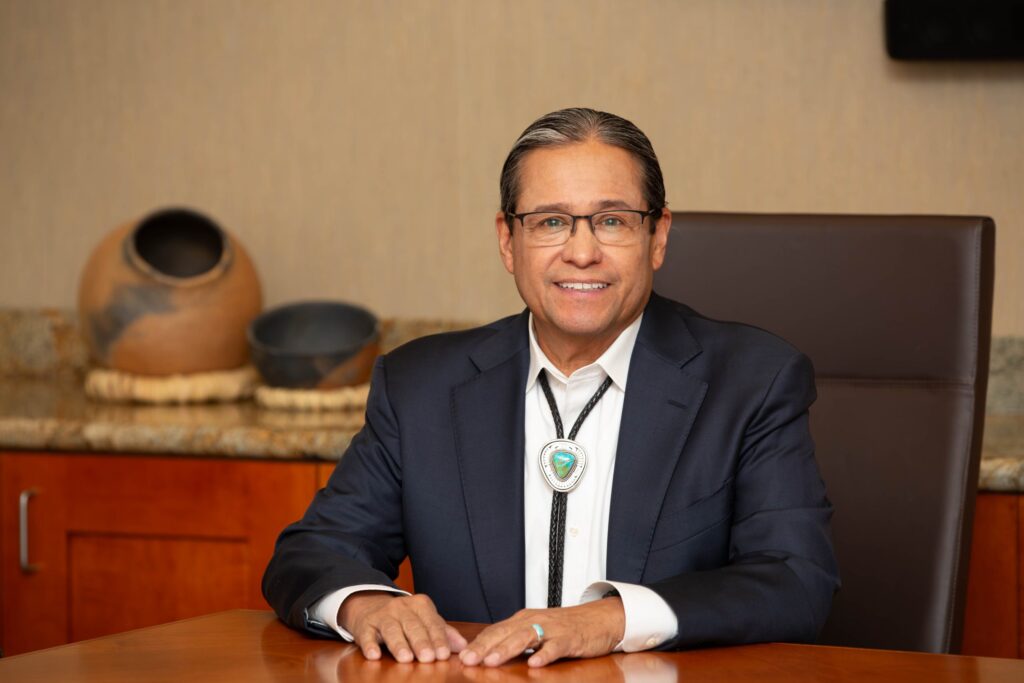
Kevin K. Washburn
University of California, Berkeley School of Law

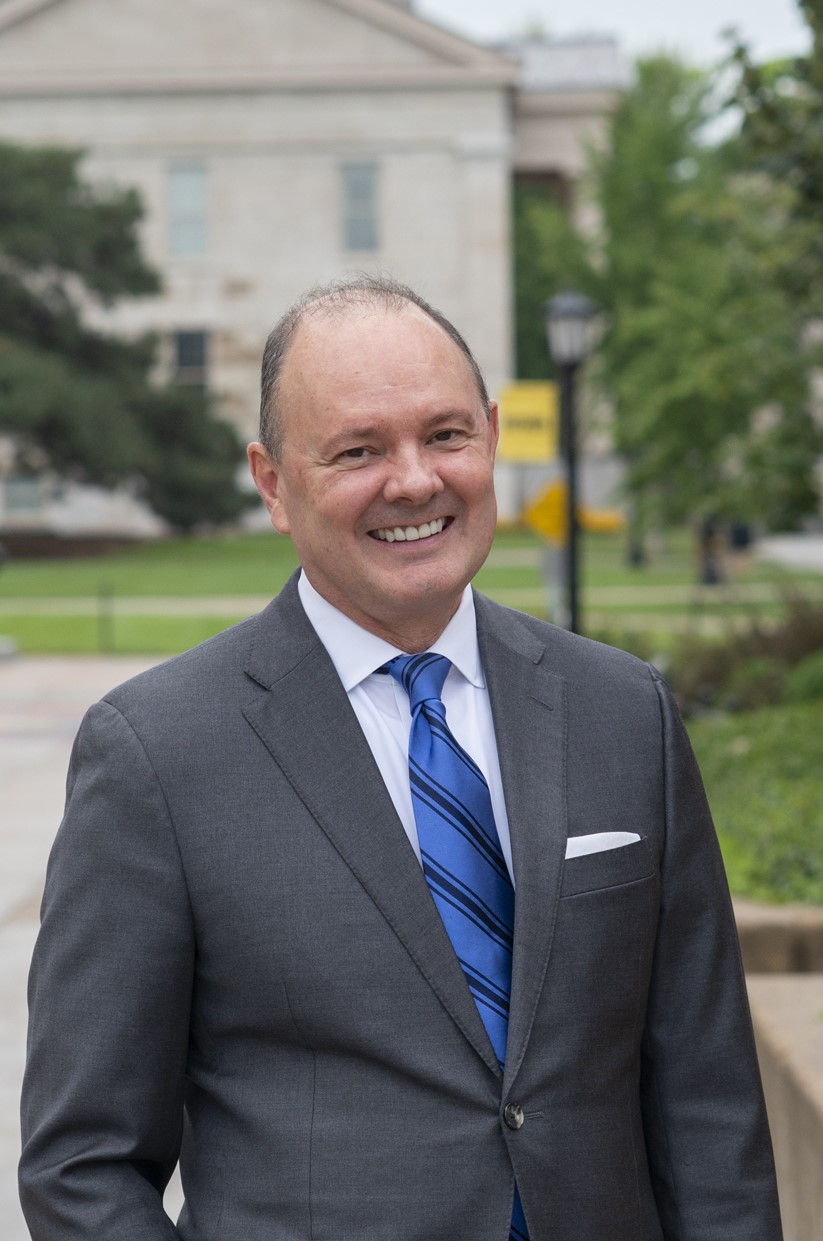
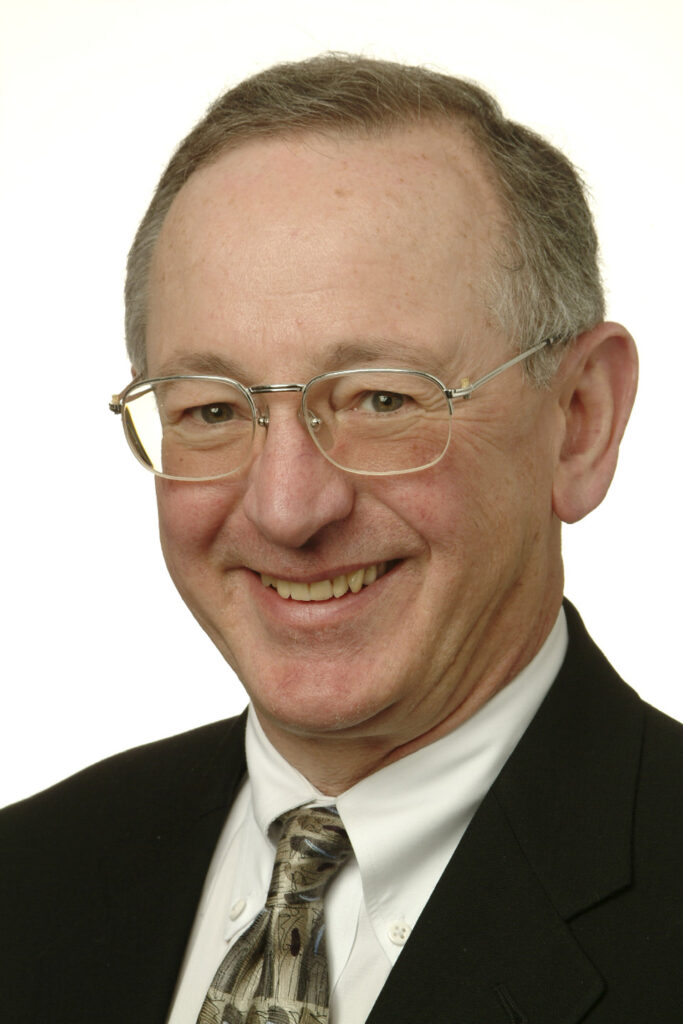
Kevin K. Washburn is a Professor of Law at the University of California, Berkeley School of Law. His research explores the way federal law and policy works, and sometimes fails, for tribal nations in the United States. He has spent his entire career working in federal public service or public higher education. He seeks to improve the federal Indian law and policy landscape through his scholarship and service; he has made impacts in relation to criminal justice in Indian country, Indian gaming, and indigenous conservation. He has published several law review articles, law school casebooks, and is the co-editor-in-chief of Cohen’s Handbook of Federal Indian Law.
Prior to joining the Berkeley Law community, Professor Washburn served as the dean of the University of New Mexico School of Law (2009-2012) and the University of Iowa College of Law (2018-2024). He previously served as a professor at the law schools of the University of Minnesota and the University of Arizona. His federal service includes serving as a law clerk to Judge Williams C. Canby, Jr., of the U.S. Court of Appeals for the Ninth Circuit, as an Honors Program attorney in the Environment and Natural Resources Division of the U.S. Department of Justice in Washington D.C., as a federal prosecutor in Indian country in New Mexico, and as the third general counsel of the National Indian Gaming Commission in Washington, D.C. In 2012, he was appointed by President Barack Obama and was confirmed unanimously by the Senate to serve as the Assistant Secretary of Indian Affairs at the U.S. Department of the Interior, a position in which he oversaw the Bureau of Indian Affairs, the Bureau of Indian Education, and several other federal offices related to policy regarding tribal nations. He served in that role until 2016.
Professor Washburn has also been widely involved in service to legal education and the bar, serving as the Chair of the Board of Trustees of the Law School Admission Council, on the American Bar Association Accreditation Committee, and on the Executive Committee of the Association of American Law Schools. He has also served the National Conference of Bar Examiners for 20 years drafting criminal law and procedure questions for the Multistate Bar Exam and the Next Gen Bar Exam.
Professor Washburn is a citizen of the Chickasaw Nation of Oklahoma and spent most of his childhood living within or near the tribe’s reservation in Oklahoma. He has degrees from the University of Oklahoma and the Yale Law School. He is an elected member of the American Law Institute and the American Academy of Arts & Sciences.
Education
B.A., University of Oklahoma (1989)
J.D., Yale Law School (1993)

Hon. Mark Macarro
Luiseño
Pechanga Band of Luiseño Mission Indians

Mark Macarro, Tribal Chairman of the Pechanga Band of Indians in southern California, was first elected to the Pechanga Tribal Council in 1992 and is currently serving in his 30th consecutive year as Tribal Chairman. Throughout his tenure Macarro’s vision for Pechanga has been to see Pechanga strengthen its Tribal sovereignty, political and governmental self-determination, and economic self-sufficiency while maintaining its distinct cultural identity. He holds a B.A. in Political Science from the University of California, Santa Barbara. Mark is married to Holly Cook Macarro (Red Lake Band of Ojibwe) and is the proud father of four children.

Richard Trudell
Santee Sioux Nation
American Indian Resources Institute (AIRI)

Richard Trudell, Santee Sioux Nation, was the founder and executive director of the American Indian Lawyer Training Program (AILTP) and its American Indian Resources Institute (AIRI). Under Trudell’s direction and vision, AILTP was established in 1973 and implemented a variety of innovative programs throughout the 1970s, 1980s, and 1990s. In 1974, AILTP launched its premier publication the Indian Law Reporter (ILR). In 1990, U.S. Senator Daniel K. Inouye from the State of Hawaii asked Trudell to bring together 40 to 50 tribal leaders to spend a day with him so he could learn firsthand about the needs and issues facing tribes. After that small gathering of tribal leaders, Trudell organized and facilitated over twenty-five tribal leaders’ forums around the country and in the United States Senate with the goal of shaping a legislative framework for developing an agenda for Indian Country. Trudell has served on governing and advisory boards of numerous organizations, including the Robert F. Kennedy Memorial, the national board of directors of the Legal Services Corporation under an appointment by President Jimmy Carter, the Presidio Council of the Golden Gate National Park Service in San Francisco, and the Native American Rights Fund. Trudell is a veteran and received a degree in accounting and a law degree.

Jim Enote
Zuni
Colorado Plateau Foundation

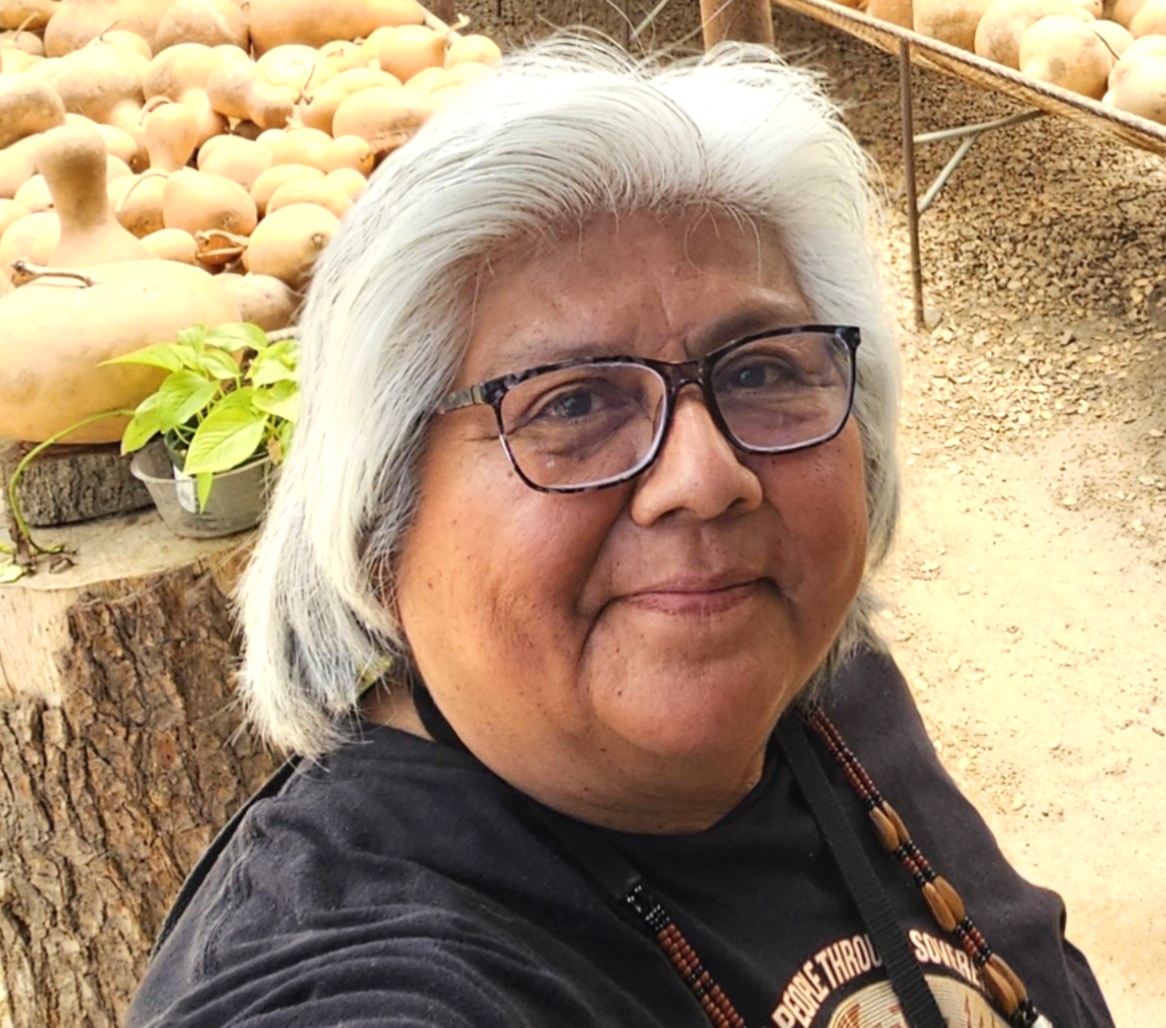
Jim Enote is a Zuni tribal member, lifelong farmer, CEO of the Colorado Plateau Foundation, Chair of the Board of Trustees for the Grand Canyon Trust, Board member of the Trust for Mutual Understanding, and serves on the Governing Council of the Wilderness Society. Formerly, he served on the Board of the Jessie Smith Noyes Foundation. Jim is also a National Geographic Society Explorer, a New Mexico Community Luminaria, and a Carnegie Foundation Senior Fellow.
Jim’s service over the past forty-five years has included assignments for various organizations, both domestic and international, encompassing natural resources, cultural resources, philanthropy, and the arts.
As CEO of the Colorado Plateau Foundation, Jim plans, directs, and evaluates the Foundation’s finances, grant-making program, fundraising efforts, communications, employee success, strategies, and partnerships. As a fundraiser and educator to the philanthropic community, Jim connects, engages, and leverages funding to support regional issues on the Colorado Plateau.
Jim lives in Zuni, New Mexico, his hometown.