The Sierra Fund is now doing business as: Indigenous Futures Society!

Speakers

Speakers

Hon. Leland Kinter

A. Brian Wallace

Washoe

Indigenous Futures Society

Kevin K. Washburn

University of California, Berkeley School of Law

Hon. Mark Macarro

Luiseño

Pechanga Band of Luiseño Mission Indians

Hon. Chief James Allan

Schitsu'umsh

Coeur d'Alene Tribe

John E. Echohawk

Pawnee

Native American Rights Fund

Geoffrey Blackwell

Muscogee (Creek) Nation

National Congress of American Indians (NCAI)

Richard Trudell

Santee Sioux Nation

American Indian Resources Institute (AIRI)

Jim Enote

Zuni

Colorado Plateau Foundation

Hon. Stephen Roe Lewis

Gila River Indian Community

Sign In

Register

Reset Password

Please enter your username or email address, you will receive a link to create a new password via email.

Hon. Leland Kinter
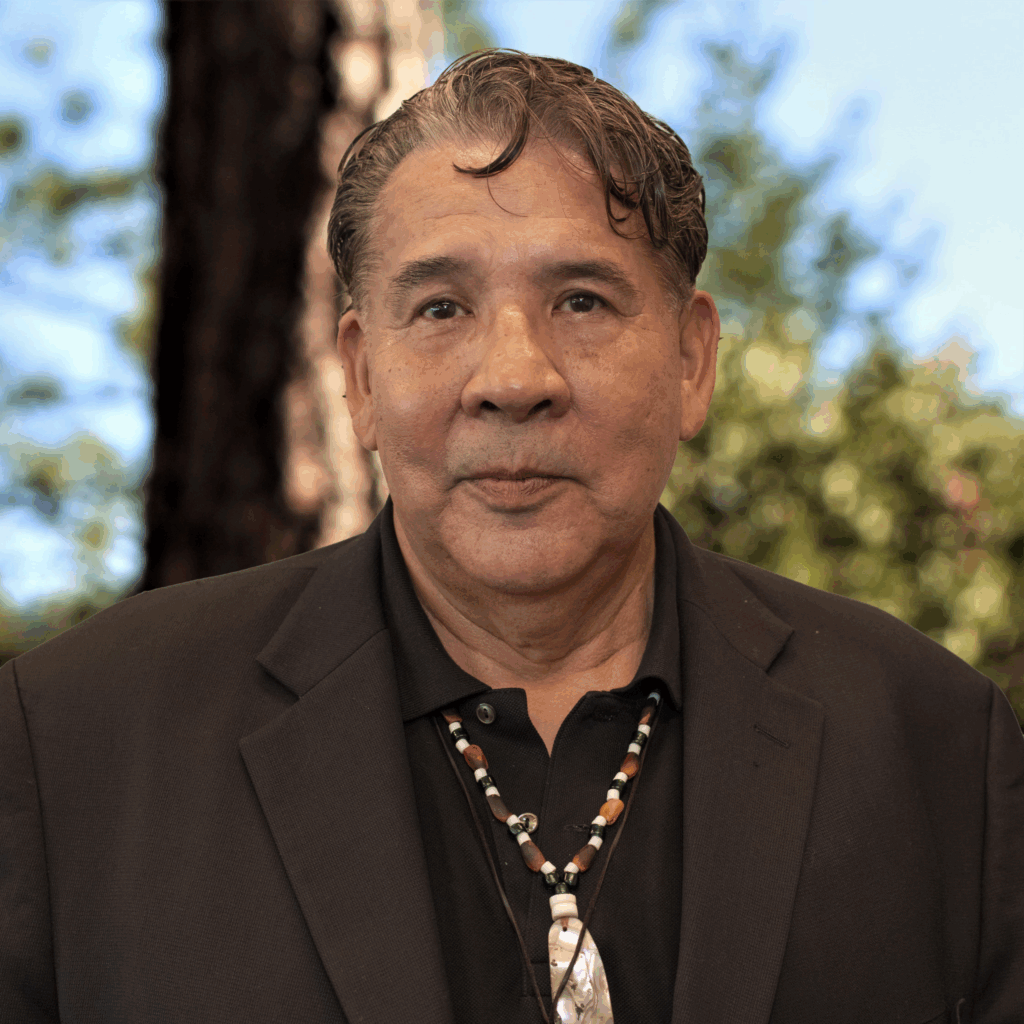
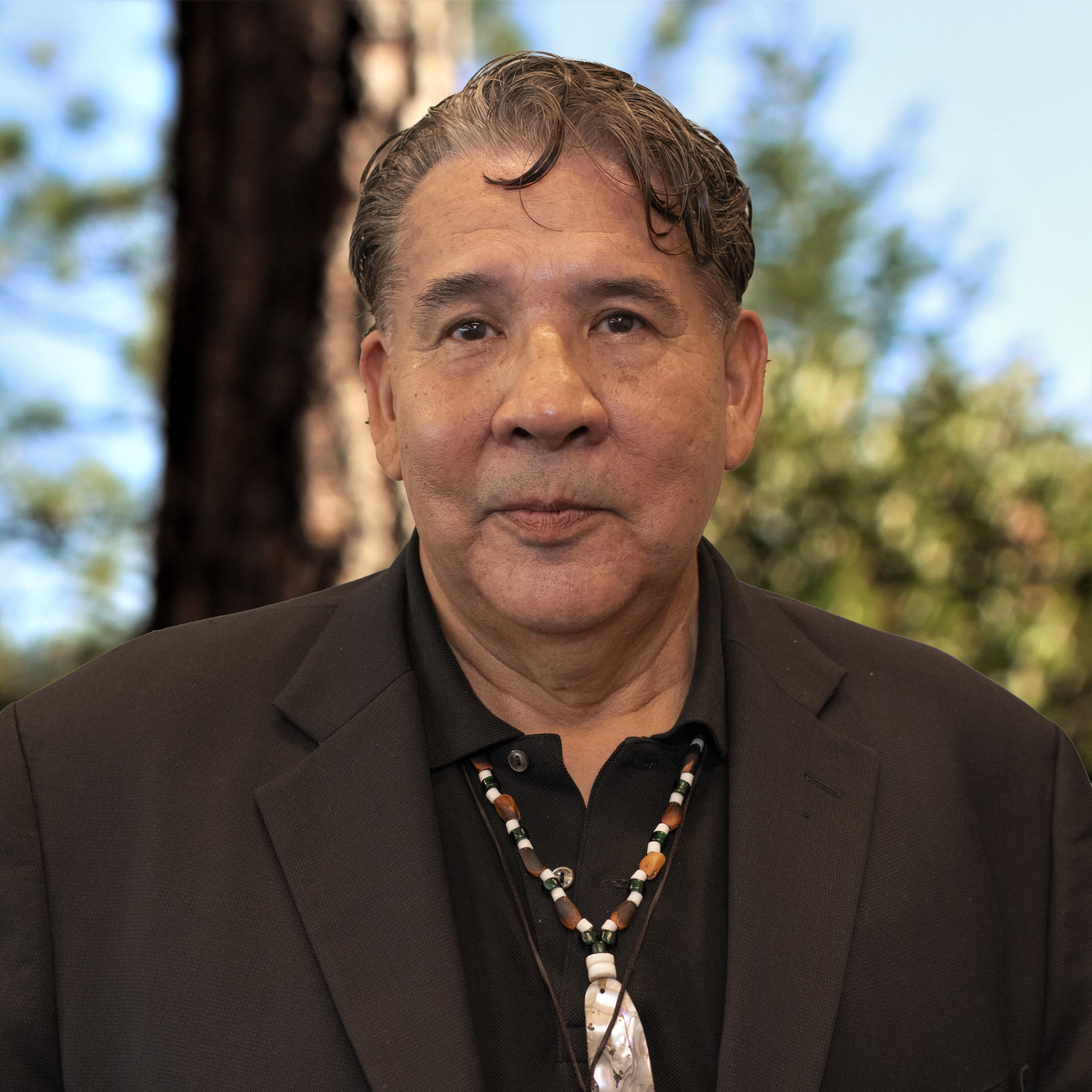
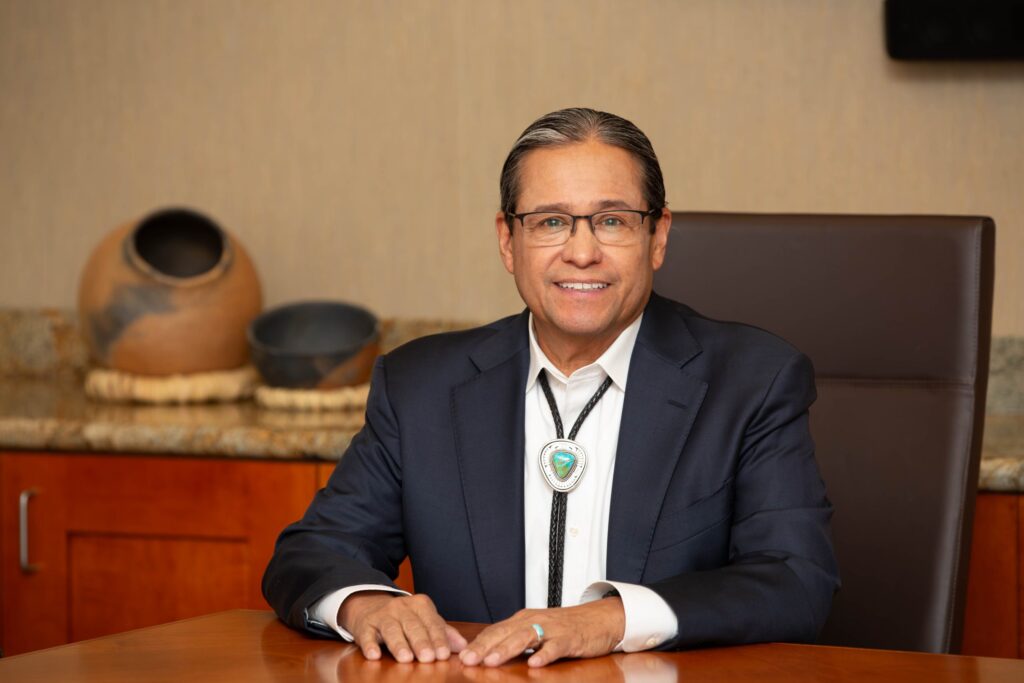
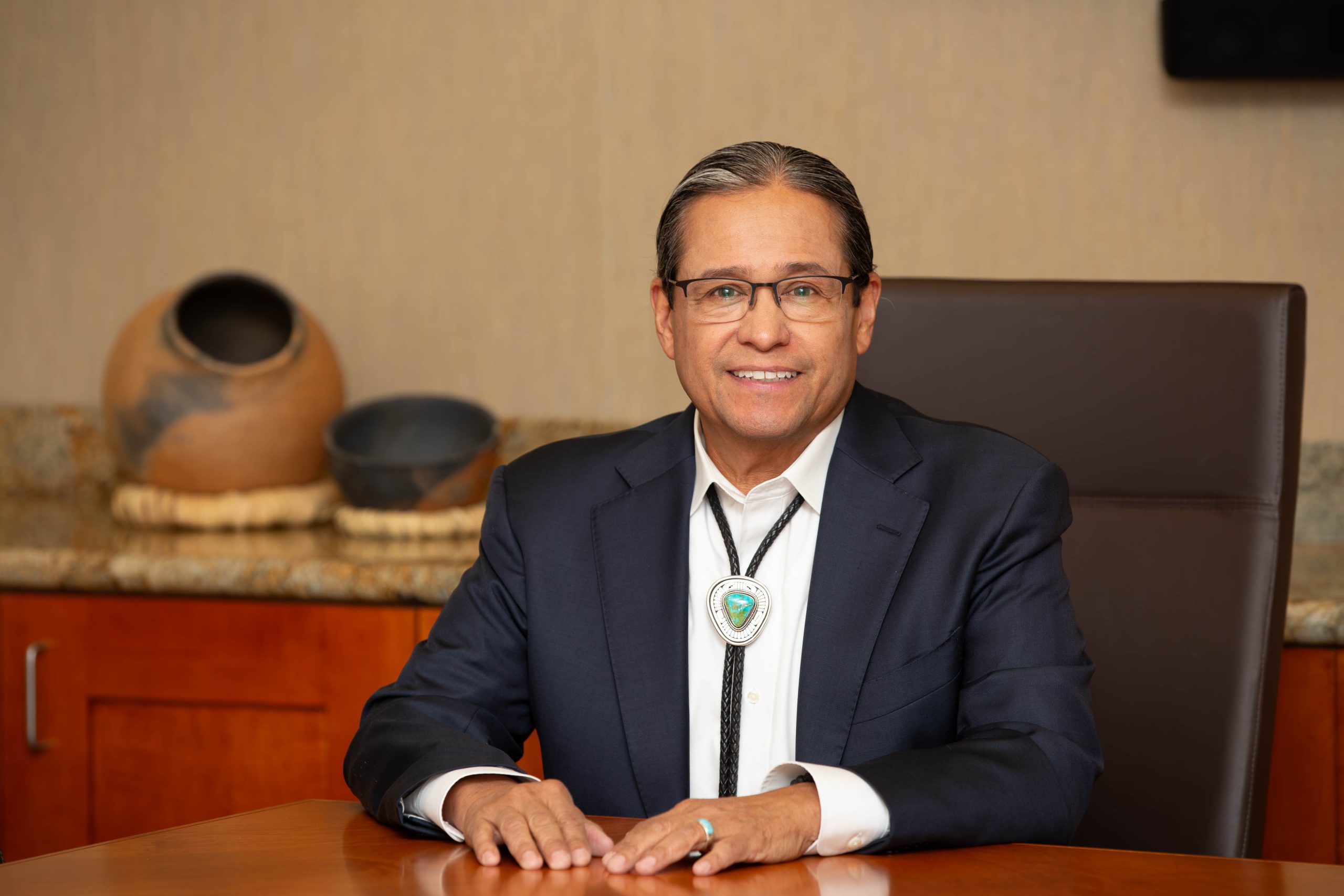
A. Brian Wallace

Albert Brian Wallace is the visionary of the Indigenous Futures Society, inspiring our groundbreaking programs, and the heart of our annual Sierra Nevada Tribal Summit. Brian served as an elected official of the Washoe Tribe of Nevada and California from 1979-2006, which included four terms as Tribal Chairman and one four-year term as Vice Chairman. Wallace’s leadership during this period was instrumental in the growth and strength not only of the Washoe Tribe, but of indigenous people and communities more broadly. During his tenure, Wallace secured federal court protection of sacred sites in Lake Tahoe and throughout Washoe homelands, and negotiated international “Accords of Friendship and Cooperation” between the Republic of Buryatia (Siberia) and the Washoe Tribe to facilitate the bio-cultural restoration of the Lake Baikal and Lake Tahoe by their indigenous peoples.

As a founding member of the Lake Tahoe Federal Advisory Committee, Wallace’s leadership continues to be widely recognized as the Lake Tahoe Restoration Act, and following appropriations acts continue to fund current and future, forest heath, transportation, stream, wetland water quality, and habitat restoration investments on local, state, and federal lands in and around the Lake Tahoe basin. Wallace often appeared before the U.S. Congress to advise on matters of federal/tribal relations and policy and was appointed by U.S. Presidents Bush, Clinton, and Bush to serve on executive office commissions and advisory bodies.

Chairman Wallace worked for 20 years on the Leviathan Mine. His leadership established the Leviathan Mine Trustees Council, which mobilized state and federal agencies to protect the biological resources and human health of the region impacted by downstream acid mine drainage. Wallace created the Washoe Tribe Environmental Protection Department, Washoe Development Corporation, Washoe Cultural Foundation, Washoe Language School, and the Washoe Land Trust.

After leaving tribal service Wallace became an equity member of a consulting partnership serving First Nations needs in Corporate Governance, Business Management, and Development. Wallace continues to be committed to the cultural well-being of indigenous peoples and homelands and brings his wealth of experience to The Sierra Fund.

Today, Chairman Wallace resides in Auburn, California, and as a member of the Lizzie Enos Nisenan Family Foundation, dedicates his efforts to family Nisenan language literacy, and Nisenan mapping projects. In addition, Wallace currently works on the assertion of the “Rights of Nature” doctrine to advocate the legal status of kum mim sew’ (Bear River) and its legal guardianship by today’s Nisenan decedents to return Nisenan hands to Nisenan lands. Additionally, Wallace spends as much time as possible on a tennis court, most recently as a 2019 #4 in Nation at the USTA Men’s 40 plus League National Championships (Oklahoma City).

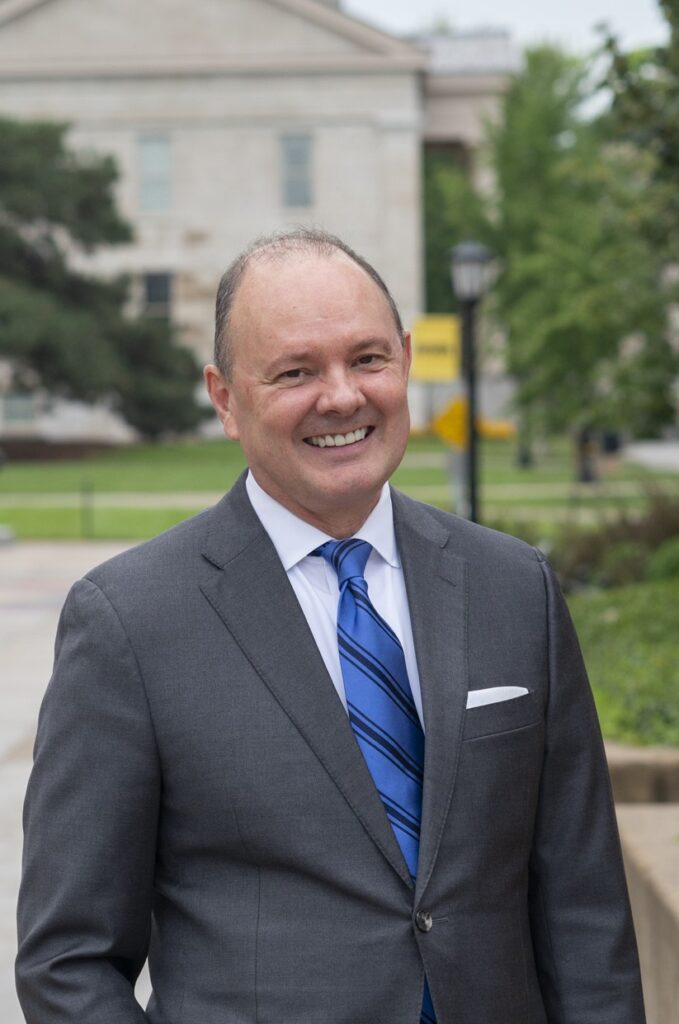
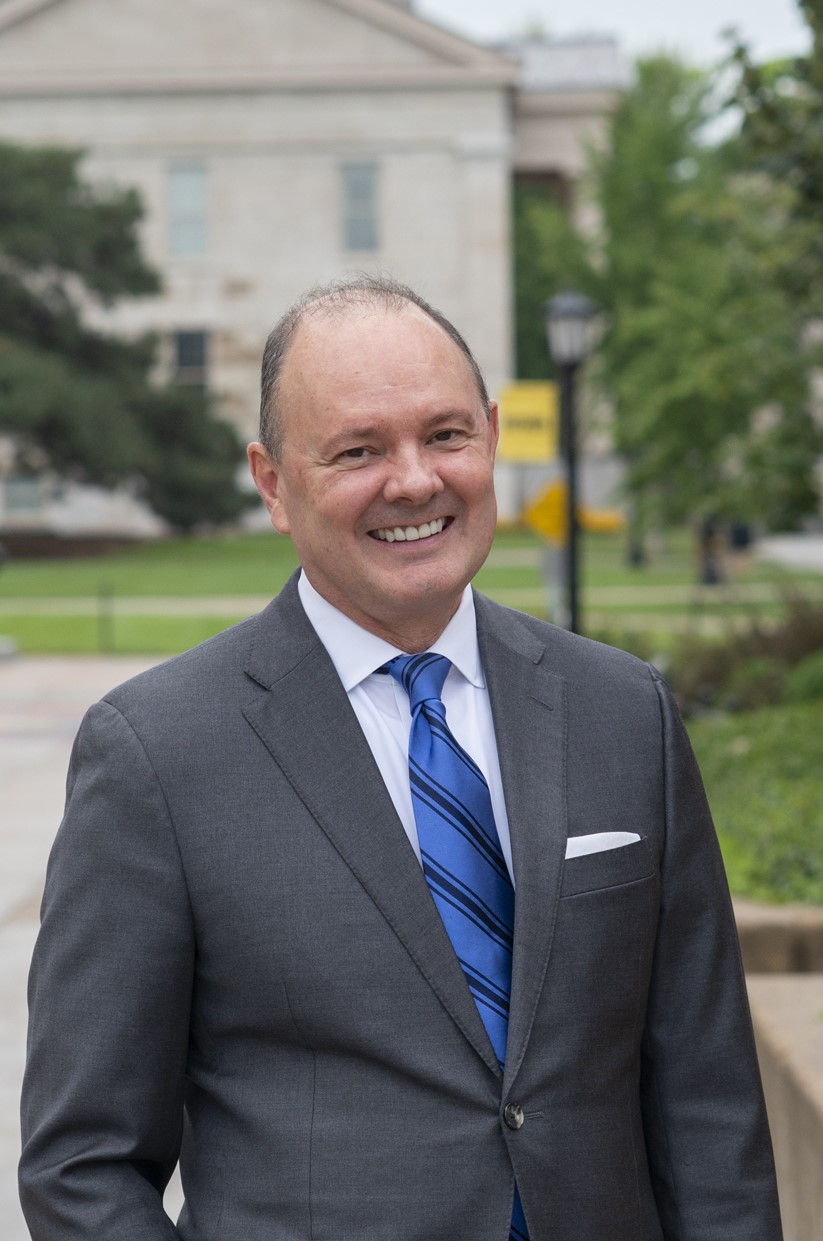
Kevin K. Washburn

Kevin K. Washburn is a Professor of Law at the University of California, Berkeley School of Law. His research explores the way federal law and policy works, and sometimes fails, for tribal nations in the United States. He has spent his entire career working in federal public service or public higher education. He seeks to improve the federal Indian law and policy landscape through his scholarship and service; he has made impacts in relation to criminal justice in Indian country, Indian gaming, and indigenous conservation. He has published several law review articles, law school casebooks, and is the co-editor-in-chief of Cohen’s Handbook of Federal Indian Law. 

Prior to joining the Berkeley Law community, Professor Washburn served as the dean of the University of New Mexico School of Law (2009-2012) and the University of Iowa College of Law (2018-2024). He previously served as a professor at the law schools of the University of Minnesota and the University of Arizona. His federal service includes serving as a law clerk to Judge Williams C. Canby, Jr., of the U.S. Court of Appeals for the Ninth Circuit, as an Honors Program attorney in the Environment and Natural Resources Division of the U.S. Department of Justice in Washington D.C., as a federal prosecutor in Indian country in New Mexico, and as the third general counsel of the National Indian Gaming Commission in Washington, D.C. In 2012, he was appointed by President Barack Obama and was confirmed unanimously by the Senate to serve as the Assistant Secretary of Indian Affairs at the U.S. Department of the Interior, a position in which he oversaw the Bureau of Indian Affairs, the Bureau of Indian Education, and several other federal offices related to policy regarding tribal nations. He served in that role until 2016.

Professor Washburn has also been widely involved in service to legal education and the bar, serving as the Chair of the Board of Trustees of the Law School Admission Council, on the American Bar Association Accreditation Committee,  and on the Executive Committee of the Association of American Law Schools. He has also served the National Conference of Bar Examiners for 20 years drafting criminal law and procedure questions for the Multistate Bar Exam and the Next Gen Bar Exam. 

Professor Washburn is a citizen of the Chickasaw Nation of Oklahoma and spent most of his childhood living within or near the tribe’s reservation in Oklahoma. He has degrees from the University of Oklahoma and the Yale Law School. He is an elected member of the American Law Institute and the American Academy of Arts & Sciences.  

Education

B.A., University of Oklahoma (1989)
J.D., Yale Law School (1993)

Hon. Mark Macarro

Mark Macarro, Tribal Chairman of the Pechanga Band of Indians in southern California, was first elected to the Pechanga Tribal Council in 1992 and is currently serving in his 30th consecutive year as Tribal Chairman. Throughout his tenure Macarro’s vision for Pechanga has been to see Pechanga strengthen its Tribal sovereignty, political and governmental self-determination, and economic self-sufficiency while maintaining its distinct cultural identity. He holds a B.A. in Political Science from the University of California, Santa Barbara. Mark is married to Holly Cook Macarro (Red Lake Band of Ojibwe) and is the proud father of four children.

Hon. Chief James Allan

Chief J. Allan has served as Chairman of the Coeur d’Alene Tribe for over 20 years and on the Coeur d’Alene Tribal Council for 25 years. Chief’s responsibilities include making leadership decisions that help guide the direction of the Tribe in matters including the cultural, historical, and contemporary resources of the Tribe.

Chief’s priorities have focused around education, economic development, healthy lifestyles, human rights and the environment. The Tribe was awarded the Kootenai Task Force on Human Relations Award in recognition of its work in these areas, and the Coeur d’Alene Chamber of Commerce named Chief Allan its 2017 Citizen of the Year.

Under his leadership the Tribe has seen major achievements in economic development and social service delivery. These include multiple expansions and improvements at the Coeur d’Alene Casino Resort which provide employment opportunities and economic development to the Tribe and community.

Chief also led the construction of Marimn Health Center, a primary care facility aimed at serving the community’s health needs. The enterprise is a model of community health in Indian Country and serves not just the reservation residents but all those who are able to access it. The medical center provides care in the following fields: medical, dental, mental health, optical, chiropractic and community programs aimed at advocating better lifestyles.

Under Chief’s leadership, Marimn recently completed construction of the Coeur Center in Worley which boasts an interactive swim facility, workout stations, snack bar, meeting rooms and is home the Boys and Girls Club of the Coeur d’Alene Reservation.

Finally, the Coeur d’Alene Tribe has aggressively pursued opportunities to improve access to housing for the Tribal membership. Recognizing that the Tribe’s enterprises require a local workforce, Chief has led a number of efforts to offer paths to homeownership for Tribal members who want to live, work and raise a family in in the community.

Chief currently serves on the Treasury Tribal Advisory Committee, Co-Chairs the Idaho Council on Indian Affairs, and is Chair of the Board Sqwiy Holdings, Inc., a Section 17 Corporation owned by the Coeur d’Alene Tribe. He has two wonderful children and enjoys cheering their successes from the athletic field to the classroom

John E. Echohawk

John Echohawk, Pawnee, is the Executive Director of the Native American Rights Fund. He was the first graduate of the University of New Mexico’s special program to train Indian lawyers, and was a founding member of the American Indian Law Students Association while in law school. John has been with NARF since its inception in 1970, having served continuously as Executive Director since 1977.

He has been recognized as one of the 100 most influential lawyers in America by the National Law Journal and has received numerous service awards and other recognition for his leadership in the Indian law field including the 2023 Thurgood Marshall Award from the American Bar Association.

He serves on the Boards of the Association on American Indian Affairs, the Indigenous Language Institute, Natural Resources Defense Council, Grand Canyon Trust, Native Ways Federation, Water Foundation, Keystone Policy Center,.and the National Center for American Indian Enterprise Development.

Admitted to practice law in Colorado.
B.A., University of New Mexico (1967)
J.D., University of New Mexico (1970)
Reginald Heber Smith Fellow (1970-72)
Native American Rights Fund (August 1970 to present)

Geoffrey Blackwell

Geoffrey Blackwell brings a wealth of knowledge and experience in Indian Country and Washington, D.C. to NCAI. He has testified before Congress on seven occasions, and before the U.S. Commission on Civil Rights. He arrived after serving for eight years as the Chief Strategy Officer and General Counsel for AMERIND Risk Management Corp. In addition to a career in federal Indian law and litigation, and tribal corporate development, he has played a pivotal role in developing and advocating for broadband policy that closes the digital divide of Tribal Nations.

Blackwell was the founding Chief of the Federal Communications Commission’s (FCC) Office of Native Affairs and Policy, where he spearheaded the agency’s efforts to bring modern communication technologies to Tribal Nations and their communities nationwide. In 2000, during his first period of service at the FCC, he also made history as the first enrolled citizen of a federally recognized Tribal Nation to work at the independent federal regulatory commission. In 2020, was honored as a corecipient of Public Knowledge’s IP3 Internet Protocol Award. In-between his two separate prior periods of service at the FCC, he served as the Director of Strategic Relations and Minority Business Development at Chickasaw Nation Industries, Inc. He began his legal career with the Boston law firm of Hale and Dorr LLP.

In addition to his role as General Counsel and Chief of Staff, Blackwell maintains an active engagement in other national organizations. He serves on the Board of the Native American Rights Fund and serves as the Vice President of the Board of Tribal Advisors to the American Indian Policy Institute at Arizona State University. He has also served on the boards of the National Small Business Association, National Federation of Community Broadcasters, Native Public Media, Acoma Business Enterprises, and the Indigenous Commission for Communications Technologies in the Americas. Additionally, within NCAI, Blackwell continues his leadership responsibilities as Co-Chair of both the Economic, Finance, and Community Development Committee and the Technology and Telecommunications Subcommittee.

Raised in Oklahoma and New Mexico, Blackwell is Chickasaw, Choctaw, Omaha, and Muscogee Creek. He comes from a family deeply dedicated to Indian Country through both federal service and tribal leadership. Blackwell is a graduate of Dartmouth College and the University of Virginia School of Law.

Richard Trudell

Richard Trudell, Santee Sioux Nation, was the founder and executive director of the American Indian Lawyer Training Program (AILTP) and its American Indian Resources Institute (AIRI). Under Trudell’s direction and vision, AILTP was established in 1973 and implemented a variety of innovative programs throughout the 1970s, 1980s, and 1990s. In 1974, AILTP launched its premier publication the Indian Law Reporter (ILR). In 1990, U.S. Senator Daniel K. Inouye from the State of Hawaii asked Trudell to bring together 40 to 50 tribal leaders to spend a day with him so he could learn firsthand about the needs and issues facing tribes. After that small gathering of tribal leaders, Trudell organized and facilitated over twenty-five tribal leaders’ forums around the country and in the United States Senate with the goal of shaping a legislative framework for developing an agenda for Indian Country. Trudell has served on governing and advisory boards of numerous organizations, including the Robert F. Kennedy Memorial, the national board of directors of the Legal Services Corporation under an appointment by President Jimmy Carter, the Presidio Council of the Golden Gate National Park Service in San Francisco, and the Native American Rights Fund. Trudell is a veteran and received a degree in accounting and a law degree.

Jim Enote

Jim Enote is a Zuni tribal member, lifelong farmer, CEO of the Colorado Plateau Foundation, Chair of the Board of Trustees for the Grand Canyon Trust, Board member of the Trust for Mutual Understanding, and serves on the Governing Council of the Wilderness Society. Formerly, he served on the Board of the Jessie Smith Noyes Foundation. Jim is also a National Geographic Society Explorer, a New Mexico Community Luminaria, and a Carnegie Foundation Senior Fellow.

Jim’s service over the past forty-five years has included assignments for various organizations, both domestic and international, encompassing natural resources, cultural resources, philanthropy, and the arts.

As CEO of the Colorado Plateau Foundation, Jim plans, directs, and evaluates the Foundation’s finances, grant-making program, fundraising efforts, communications, employee success, strategies, and partnerships. As a fundraiser and educator to the philanthropic community, Jim connects, engages, and leverages funding to support regional issues on the Colorado Plateau.

Jim lives in Zuni, New Mexico, his hometown.

Hon. Stephen Roe Lewis

Stephen Roe Lewis was raised in Sacaton, “Gu-u-Ki”, on the Gila River Indian Community. His father is the late Rodney Lewis and mother Willardene Lewis. Mr. Lewis has a son, Daniel currently attending Arizona State University.

Mr. Lewis is in his third term serving as Governor of the Community, having previously served as Lt. Governor. Prior to serving in elected leadership, Governor Lewis served the Community as a member of the Board of Directors for the Gila River Healthcare Corporation, as a Gaming Commissioner for the Gila River Gaming Commission, and as a member of the Board of Directors for the Gila River Telecommunications, Inc..

Stephen Roe Lewis graduated from Arizona State University with a Bachelor’s of Science and pursued graduate studies at John F. Kennedy School of Government at Harvard University.

Governor Lewis currently oversees the implementation of the Community’s Water Settlement of 2004 (at that time the largest water settlement of its kind in United States history). Governor Lewis advocates for renewable and green technologies guided by O’odham agricultural history and cultural teachings. Governor Lewis’s vision is to support a new generation of Community member agriculturalists with the goal of promoting and protecting the Community’s shudag (water) and agricultural development.

During his tenure as Governor of the Gila River Indian Community, Governor Lewis has brought innovative solutions to long-standing issues that will create long-term gains for the Gila River Indian Community.  One of these projects, Management Aquifer Recharge sites, brings together the need for access to water while restoring the return of the Community’s riparian area which is vital for farming and the return of wildlife to the Community.  Bringing back the Gila River, which is critical to the culture and identify of the Gila River Indian Community, has been a key milestone during Governor Lewis’ Administration and one that will lay the foundation for future projects across the Community.

In addition, Governor Lewis’ innovation can be seen in his approach to providing educational opportunities for the youth of the Gila River Indian Community.  The Community was the first tribal community in the Nation to utilize the Indian Self-Determination and Education Assistance Act to create a program that revolutionized how infrastructure is constructed and maintained throughout Indian Country.  This program, the Section 105(l) program was utilized for education construction in the Community, and the Community is working to expand the uses of the program to other infrastructure in the Community and throughout Indian Country.

Governor Lewis has also prioritized the Community’s Veterans and youth by working to establish the Community’s first Veteran’s and Family Services Department and by committing more resources to protect the Community’s children by advocating for the protection of the Indian Child Welfare Act both at home and nationally. 

These projects illustrate the commitment that Governor Lewis has to respecting the history and culture of the community while providing for a brighter future for all of the Community’s citizens.

In addition to his leadership in the Community, Governor Lewis has worked on numerous political campaigns and organizing projects throughout Indian Country including serving as an elector for the 2020 Presidential election and selected as an Arizona delegate and Co-Chair of the Native American Caucus for the 2012 Democratic National Convention in Charlotte, North Carolina.

Governor Lewis was the first Native film curator for the Sundance Film Festival in Park City, Utah and was an Associate Producer for the groundbreaking and critically acclaimed TBS six-part feature documentary, “The Native Americans.”

Governor Lewis proudly serves as the Secretary of the National Congress of American Indians, President of the Arizona State University’s American Indian Policy Institute Board of Directors, on the Executive Board for the National Indian Gaming Association (NIGA), and on the Board of Trustees for the Heard Museum of Phoenix.

Speakers